Rhodiola rosea benefits: the arctic adaptogen inside Myco Max

Updated August 2026 · reviewed by the Myco Max Research Team. We are an independent information resource, not a medical provider, and this article is educational rather than medical advice.
Rhodiola rosea is an arctic-growing root, classed as an adaptogen, that has been used for centuries in Scandinavian and Russian folk traditions to support the body's resilience against everyday fatigue and mental stress. It is one of the supporting botanicals in Myco Max, where it sits alongside functional mushrooms rather than working alone. The honest picture is that rhodiola shows promise in early research but is best understood as gentle daily support, not a cure for anything. If the word itself is new to you, start with what adaptogens actually are. We set the two best-known adaptogens against each other in rhodiola vs ashwagandha. The best-controlled evidence is a randomised, double-blind, placebo-controlled trial of the SHR-5 root extract in people with stress-related fatigue (Olsson et al., Planta Medica, 2009).
What rhodiola rosea is, and why it is in Myco Max.
- What it is
- An arctic root, also called golden root, traditionally used as an adaptogen for stress and fatigue.
- What people seek
- Steadier energy under pressure, less everyday tiredness, and calmer mental stamina.
- What the evidence says
- Early and mixed. Some trials are encouraging, but the science is not settled — support, not a treatment.
- Where Myco Max fits
- One botanical in a liquid blend led by lion's mane and cordyceps; check the label for the exact amount.
If your afternoons feel like wading through fog and your to-do list keeps outrunning your energy, you are exactly the person adaptogens were traditionally reached for. Rhodiola is one of the oldest of that family, which is why it earns a place in a formula like Myco Max — not as a stimulant, but as a background helper.
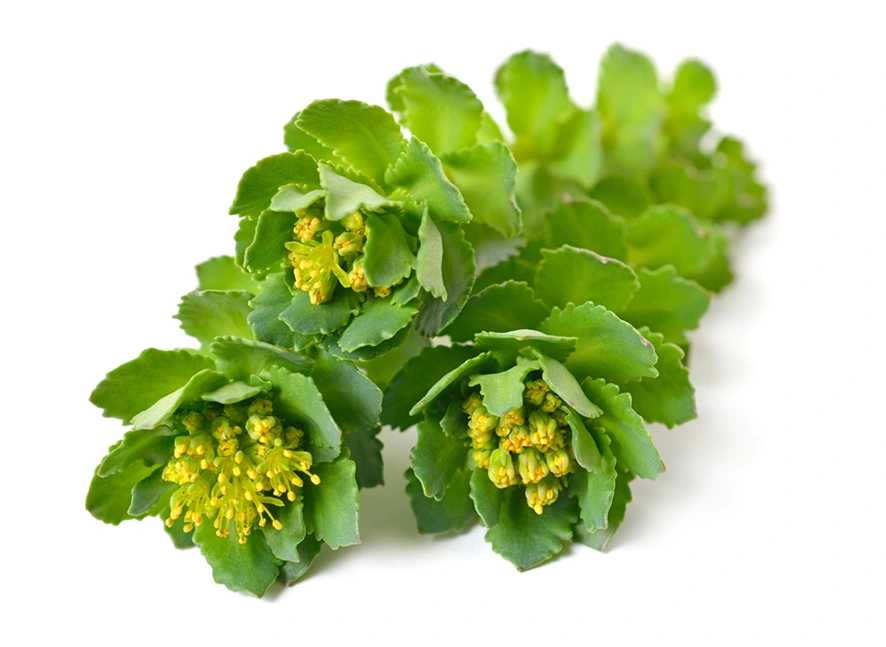
What is rhodiola rosea, and where does it come from?
Rhodiola rosea is a hardy flowering plant whose thick root has been harvested in the cold, high-altitude regions of Europe, Asia and the Arctic. Sometimes called golden root, it survives brutal conditions — wind, thin soil and short seasons — and that toughness is part of why traditional healers valued it. Vikings were said to use it for endurance, and Siberian families reportedly gave it to workers facing long seasons. Today it is one of the best-known adaptogens, and it appears in Myco Max as a complement to the mushroom base. An earlier crossover study tested a low-dose regimen on the mental performance of healthy physicians working night duty (Darbinyan et al., Phytomedicine, 2000).
What does “adaptogen” actually mean?
An adaptogen is a plant traditionally used to help the body adapt to stress and return toward balance, without pushing it hard in one direction the way a stimulant or sedative does. The term was coined by Soviet researchers in the mid-20th century for substances that seemed to raise general resistance to strain. Rhodiola is a classic example, grouped with herbs like ashwagandha and eleuthero. Be clear-eyed, though: “adaptogen” is a traditional label, not a guarantee of a specific medical effect. The NCCIH summary of rhodiola is the appropriate corrective: it describes the human evidence as limited (NIH NCCIH).
What are the main rhodiola rosea benefits people look for?
The rhodiola rosea benefits most people are chasing come down to feeling less wiped out and more mentally steady when life gets demanding. In practice, that breaks into a few overlapping themes, each with a different weight of evidence.
| Reported benefit | What people describe | State of the evidence |
|---|---|---|
| Fatigue support | Less everyday tiredness during long or stressful stretches | Some encouraging trials on stress-related fatigue; still early |
| Stress resilience | A calmer, more even feeling under pressure | Small studies suggest a role; larger, longer research is needed |
| Mental stamina | Holding focus later into a demanding day | Mixed results; effects appear modest where present |
| Physical endurance | Perceived effort feeling a little easier | Traditional use is strong; modern data is inconsistent |
The pattern across the literature is consistent in one way: rhodiola tends to help most when the fatigue is stress-driven rather than caused by a medical condition. That is why we treat rhodiola as a wellness support inside Myco Max rather than making any health claim about it.
Does rhodiola help with fatigue?
Rhodiola for fatigue is the single most-studied use of the root, and it is where tradition and modern research come closest to agreeing. Several small human trials in people with stress-related tiredness reported improvements in self-rated fatigue and mental performance. The catch is familiar: many studies are small, short and industry-linked, so the honest summary is “promising but not proven.”
Can rhodiola help with everyday stress?
Rhodiola for stress rests on the idea that an adaptogen buffers the body's stress response so pressure feels more manageable. A handful of trials in people with mild, chronic life stress reported lower self-rated stress and fatigue after a couple of weeks. These findings align with centuries of folk use, but they are not a proven anti-anxiety effect, and rhodiola should never replace real support for genuine mental-health concerns.

How does rhodiola work inside the body?
Rhodiola's traditionally credited effects are usually pinned on two families of active compounds: rosavins and salidroside. Good-quality extracts are standardised to a set ratio of these (a common target is roughly 3% rosavins to 1% salidroside, echoing the raw root). Early lab and clinical work has explored how these compounds might influence the stress-signalling system and cellular energy pathways, but the precise mechanism in humans is still being worked out. In plain terms: scientists have plausible leads, not a finished map — which is exactly why cautious, evidence-led language matters.
See the exact rhodiola dose in Myco Max →
How is rhodiola used in Myco Max?
In Myco Max, rhodiola is a supporting adaptogen rather than the headline act — the formula is led by functional mushrooms and rounded out with complementary botanicals. The idea is a stack, not a single hero ingredient: mushrooms for cognitive and cellular-energy support, and adaptogens like rhodiola for the stress-and-fatigue side of a busy day. It is delivered as fast liquid drops rather than a capsule.

| Ingredient in Myco Max | Category | Traditional / general role |
|---|---|---|
| Lion's mane | Functional mushroom | One of the most studied mushrooms for cognitive wellness. |
| Cordyceps | Functional mushroom | Traditionally linked with stamina and cellular energy. |
| Rhodiola rosea | Adaptogen | Arctic root used for resilience against fatigue and mental stress. |
| Gotu kola | Traditional tonic | Ayurvedic staple used as a calming tonic for the mind. |
| Sage | Culinary herb | Long folk history connected to memory and clarity. |
For the exact per-serving amount of rhodiola, always read the current Myco Max label, since dropper formulas list their botanicals as a blend. See also our companion guides to lion's mane and cordyceps for brain health and nootropic mushrooms for focus and clarity, or the full ingredients section.
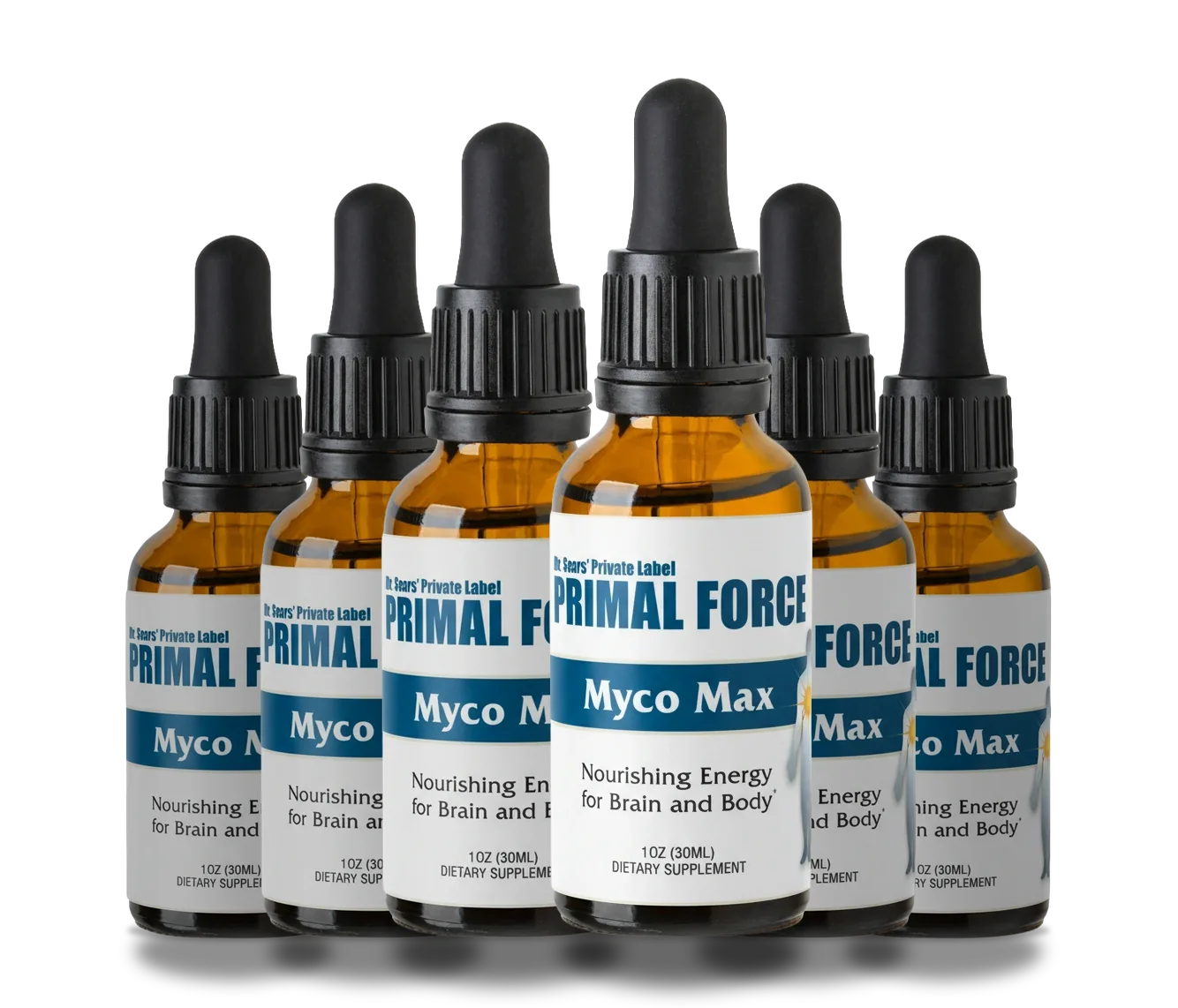
Rhodiola, without the guesswork
Myco Max pairs rhodiola with lion's mane and cordyceps in a once-daily dropper. The six-bottle bundle is the best value at $49 per bottle, with free U.S. shipping and a 90-day guarantee.
Order Myco Max — from $49/bottleWhat is a typical rhodiola dose, and how long until it works?
Most human studies of rhodiola have used standardised extracts of roughly 200 to 600 mg per day, often taken in the morning. Rhodiola is not a switch: some people notice a same-day lift in perceived stamina, but any steadier baseline usually takes two to several weeks of daily use to settle in. It is generally suggested earlier in the day, since a minority find it mildly activating near bedtime.
How should you take it for the best chance of noticing anything?
The most reliable approach is boring on purpose: take it at the same time each day, give it a fair multi-week trial, and keep the rest of your routine steady so you can tell whether it is helping. Adaptogens reward consistency and punish the “one dose and quit” habit. Because botanicals build gradually, most people choose a multi-month supply so they do not run out mid-trial — compare the packages and pricing on the homepage.
Is rhodiola safe, and who should be careful?
Rhodiola is generally well tolerated in short-term studies, with side effects usually described as mild — occasional jitteriness, dry mouth or disrupted sleep if taken late. That said, “generally well tolerated” is not the same as “right for everyone.” You should speak with a qualified healthcare professional before using rhodiola, or any product containing it, if you are pregnant or nursing, under 18, take any medication (including for mood, blood pressure or diabetes), or are managing a diagnosed condition. Rhodiola supports a healthy routine; it does not diagnose, treat, cure or prevent any disease.
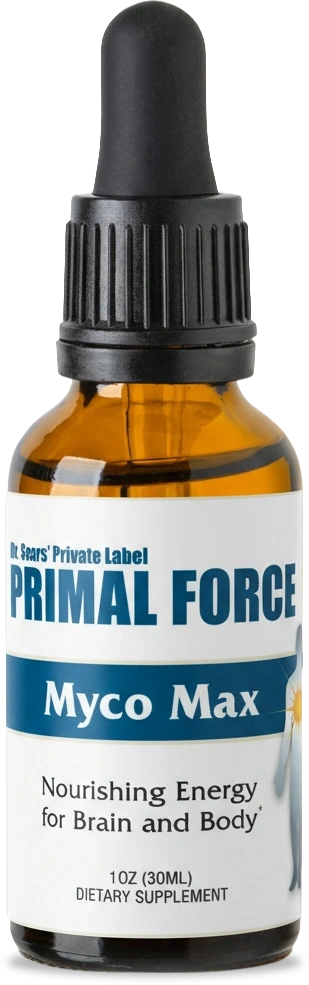
The honest bottom line on rhodiola in Myco Max
Rhodiola rosea is a genuinely interesting adaptogen with deep traditional roots and a small but growing body of early research on fatigue and stress resilience — which is exactly the register in which it belongs in Myco Max: a supporting botanical, not a miracle. Keep your expectations realistic, protect your sleep and movement, give it a fair few weeks, and it is a low-drama addition to a daily routine. It is not a treatment and works best as one steady layer among many.
Frequently asked questions
What is rhodiola rosea and what is it used for?
Rhodiola rosea is an arctic root, sometimes called golden root, that is classed as an adaptogen. It has been used in Scandinavian and Russian folk traditions to support resilience against everyday physical fatigue and mental stress, and it appears in Myco Max as a supporting botanical.
What are the main rhodiola rosea benefits people look for?
People turn to rhodiola for steadier energy under pressure, reduced everyday fatigue, and calmer mental stamina. The evidence is early and mixed rather than settled, so rhodiola is best seen as gentle daily support, not a treatment.
How does rhodiola work as an adaptogen?
An adaptogen is a plant traditionally used to help the body cope with stress and return to balance. Rhodiola's active compounds, rosavins and salidroside, are studied for how they may influence the stress response, though the mechanisms in humans are still being researched.
How much rhodiola is a typical dose?
Studies commonly use standardised rhodiola extracts of roughly 200 to 600 mg per day. Myco Max delivers rhodiola in a liquid blend, so check the label for its exact per-serving amount and speak to a professional before starting.
Is rhodiola safe, and who should avoid it?
Rhodiola is generally well tolerated in short studies, with mild effects such as jitteriness or dry mouth reported occasionally. People who are pregnant or nursing, under 18, taking medication, or managing a diagnosed condition should ask a doctor first.
How long does rhodiola take to work?
Some people report a same-day lift in perceived stamina, while any steadier baseline usually builds over two to several weeks of daily use. Adaptogens are gradual, results vary, and rhodiola works best alongside good sleep, movement and nutrition.
Check today's Myco Max pricing →
Myco Max is a dietary supplement, not a treatment for any medical condition. These statements have not been evaluated by the Food and Drug Administration. This product is not intended to diagnose, treat, cure or prevent any disease. Always consult a qualified healthcare professional about your individual needs.
References
- National Center for Complementary and Integrative Health (NCCIH). Rhodiola. nccih.nih.gov/health/rhodiola
- Examine.com. Rhodiola Rosea. examine.com/supplements/rhodiola-rosea
- NIH Office of Dietary Supplements. Dietary Supplements: What You Need to Know. ods.od.nih.gov/factsheets/WYNTK-Consumer
- Mayo Clinic. Herbal supplements. mayoclinic.org/…/herbal-supplements
- Olsson EM, von Scheele B, Panossian AG. A randomised, double-blind, placebo-controlled, parallel-group study of the standardised extract shr-5 of the roots of Rhodiola rosea in the treatment of subjects with stress-related fatigue. Planta Medica, 2009. PMID 19016404
- Darbinyan V, Kteyan A, Panossian A, et al. Rhodiola rosea in stress induced fatigue: a double blind cross-over study of a standardized extract SHR-5 with a repeated low-dose regimen on the mental performance of healthy physicians during night duty. Phytomedicine, 2000. PMID 11081987
These references describe the ingredient in general terms and do not constitute evidence that any product treats, cures or prevents any condition.
Keep reading: lion's mane and cordyceps for brain health · nootropic mushrooms for focus and clarity · read the full Myco Max review · back to the Myco Max blog.