Rhodiola vs ashwagandha: the Myco Max adaptogen guide

Updated August 2026 · reviewed by the Myco Max Research Team. We are an independent information resource, not a medical provider, and this article is educational rather than medical advice.
Rhodiola vs ashwagandha comes down to one honest distinction: rhodiola is the stimulating adaptogen people reach for to fight fatigue and lift mental energy, while ashwagandha is the calming adaptogen people reach for to take the edge off stress. Neither is a cure for anything — they are traditional botanicals studied as everyday support — but they pull in noticeably different directions, and that is exactly why the choice matters. Rhodiola gets its own ingredient profile in rhodiola rosea in Myco Max. Rhodiola's best evidence is a randomised, placebo-controlled trial of a standardised root extract in stress-related fatigue (Olsson et al., Planta Medica, 2009).
The rhodiola-versus-ashwagandha decision, in one place.
- The short version
- Rhodiola energises and fights fatigue; ashwagandha calms and settles a stressed, wired system. Same “adaptogen” label, opposite felt effect.
- Best for energy
- Rhodiola rosea — traditionally used against mental and physical tiredness and often felt earlier in the day.
- Best adaptogen for stress
- Ashwagandha — the stronger human research base for a calming effect and better sleep, built over several weeks.
- What Myco Max uses
- Rhodiola, not ashwagandha — paired with lion's mane and cordyceps for a daytime, focus-forward feel rather than sedation.
- Honest caveat
- Both are supports, not treatments. Evidence is promising but uneven, and anyone on medication should ask a doctor first.
They dominate the adaptogen aisle for good reason — but they are not interchangeable. This guide runs the adaptogen comparison side by side, weighs what the evidence shows, and explains which one a functional-mushroom formula like Myco Max is built around, and why. NCCIH keeps a short, sceptical summary of ashwagandha that is worth reading beside the marketing (NIH NCCIH).
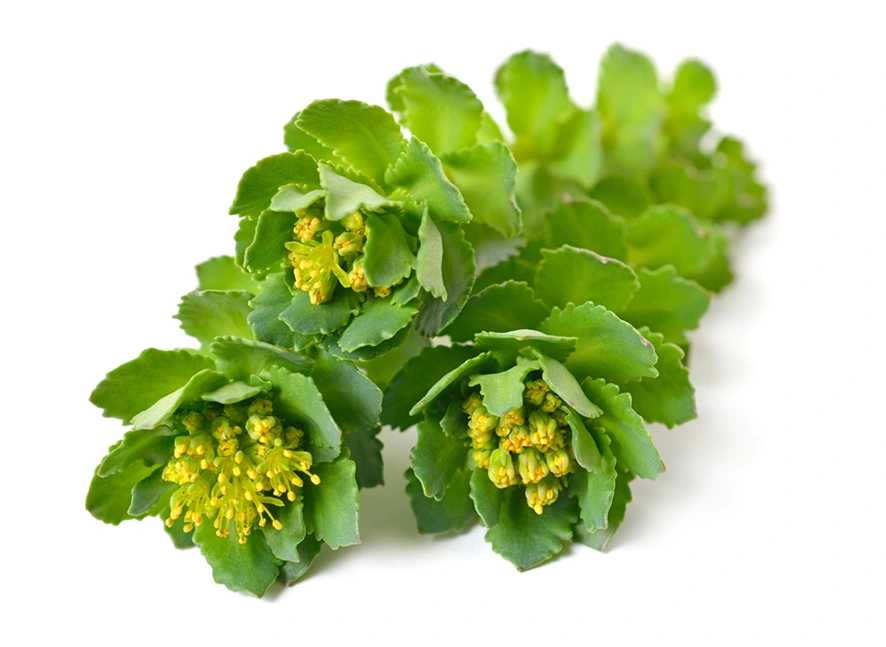
What is the difference between rhodiola and ashwagandha?
An adaptogen is a plant traditionally used to help the body cope with stress, but rhodiola and ashwagandha do that job in opposite ways. Rhodiola rosea leans stimulating: it is the one people take when stress leaves them drained, foggy and flat. Ashwagandha (Withania somnifera) leans sedating: it is the one people take when stress leaves them wired, tense and unable to switch off. Put simply, rhodiola picks you up and ashwagandha winds you down — and that single contrast decides which is right for you far more than any marketing claim. Ashwagandha's most-cited trial reported reduced stress and anxiety scores on a high-concentration root extract taken for 60 days (Chandrasekhar et al., Indian Journal of Psychological Medicine, 2012).
Why compare these two adaptogens at all?
The reason rhodiola and ashwagandha end up in the same conversation is that both promise stress support, yet they answer different versions of “stressed.” One person's stress feels like exhaustion and mental fog; another's feels like a racing mind at midnight. Choosing the wrong adaptogen for your pattern is the most common reason people say “it did nothing” — a calming herb cannot fix fatigue, and a stimulating one can make a wired evening worse.

How do rhodiola and ashwagandha compare head to head?
A head-to-head comparison is clearest as a table, because the two adaptogens differ on almost every practical axis. The summary below reflects traditional use and the general direction of published research rather than any promise of results.
| Feature | Rhodiola rosea | Ashwagandha |
|---|---|---|
| Traditional origin | Arctic Europe & Asia (Scandinavia, Siberia) | India, Ayurvedic tradition |
| Typical feel | Stimulating, energising, uplifting | Calming, grounding, relaxing |
| Best known for | Fatigue, mental energy, endurance | Stress, anxiety-type tension, sleep |
| Best time of day | Morning or early afternoon | Evening, or split across the day |
| Key compounds | Rosavins, salidroside | Withanolides |
| Onset | Often within days | Usually builds over 4–8 weeks |
| Watch-outs | Can feel over-stimulating late in the day | Can feel too sedating for some by day |
Rhodiola: the energy and fatigue adaptogen
Rhodiola is best understood as an anti-fatigue adaptogen — the one to consider when stress shows up as tiredness rather than tension. Historically used across Scandinavia and Siberia against cold and exhaustion, it is now most often taken for mental energy, stamina and burnout-style fatigue. Because it can feel mildly stimulating, most people take it in the morning.
Ashwagandha: the calm and cortisol adaptogen
Ashwagandha is best understood as a calming adaptogen — the one to consider when stress shows up as a racing, wired mind. Its species name, somnifera, literally means “sleep-inducing.” It is most often taken for felt stress, tension and disrupted sleep, and its effect tends to build quietly over weeks rather than announcing itself on day one.
Which is the best adaptogen for stress?
The best adaptogen for stress depends on how your stress feels, not on which herb is trendier. If stress leaves you exhausted and foggy, rhodiola is the more logical match; if it leaves you anxious, tense and sleepless, ashwagandha has the stronger human evidence for a calming effect. There is no universal winner — only a better fit for your pattern.
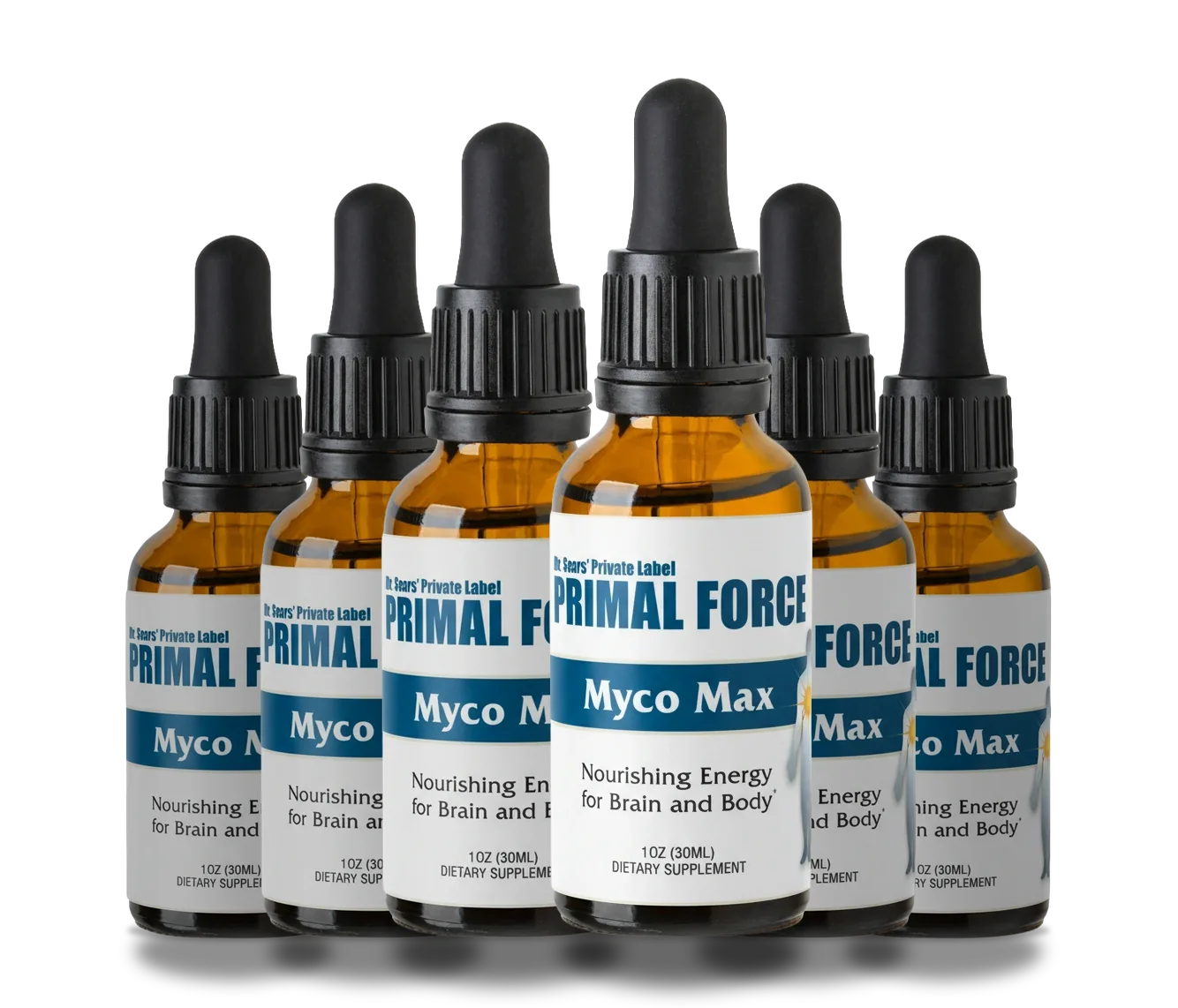
Prefer the energising side of this debate?
Myco Max builds on rhodiola — the daytime, anti-fatigue adaptogen — and pairs it with lion's mane and cordyceps in fast liquid drops. See the exact dose in Myco Max, plus the six-bottle bundle at $49 per bottle with free U.S. shipping and a 90-day guarantee.
See the exact dose in Myco Max — from $49/bottleWhat does the evidence actually show?
The honest summary is that both adaptogens have promising but uneven human research, with many trials small, short or funded by supplement makers. That does not make them useless; it means the confident claims you see online usually run ahead of the data. Here is where each stands.
What is the state of rhodiola research?
Rhodiola has been studied mainly for fatigue, stress-related tiredness and mental performance under pressure, with several trials suggesting modest benefits for perceived exhaustion. The U.S. National Center for Complementary and Integrative Health notes that while some studies are encouraging, many are small or of limited quality, so firm conclusions are not yet possible. In practice, rhodiola is best treated as a reasonable, low-risk support for everyday fatigue rather than a proven remedy.
What is the state of ashwagandha research?
Ashwagandha has a somewhat larger recent body of human trials, several pointing to reductions in self-reported stress and improvements in sleep quality over four to eight weeks. Even so, reviewers consistently flag short durations, small samples and variable extract quality. The fair reading is that ashwagandha has meaningful supporting evidence for felt stress and sleep, while still falling short of the certainty that marketing language implies.
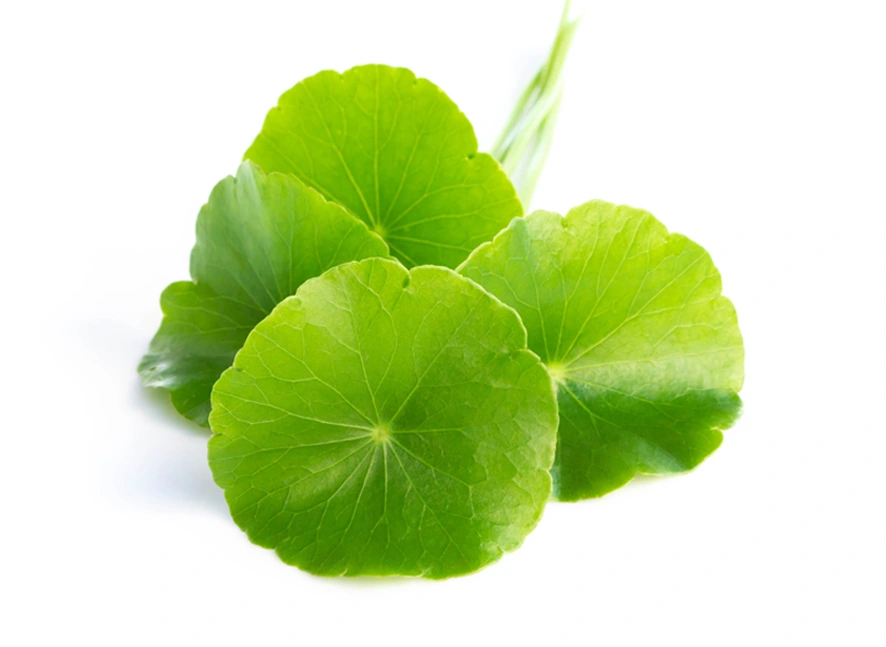
Which adaptogen does Myco Max use, and why?
Myco Max is built around rhodiola rosea rather than ashwagandha, a deliberate choice that fits its purpose. Because Myco Max is a daytime brain-and-focus formula — not a sleep aid — it pairs rhodiola's energising, anti-fatigue character with two functional mushrooms, lion's mane and cordyceps, plus gotu kola, sage and tribulus. The result leans toward clear, steady daytime energy and focus, which is why an evening-calming herb like ashwagandha was not the right centrepiece. For the full picture, see the ingredients section or our Myco Max review.
| Goal | Leans rhodiola | Leans ashwagandha | Where Myco Max fits |
|---|---|---|---|
| More daytime energy | ✔ Best match | Indirect | ✔ Built for this |
| Less felt stress at night | Not ideal | ✔ Best match | Not its focus |
| Sharper focus & recall | Supportive | Indirect | ✔ Core purpose |
| Better sleep | Avoid late-day | ✔ Best match | Not its focus |
| Physical stamina | ✔ Traditional use | Supportive | ✔ Cordyceps + rhodiola |
If your main goal is winding down at night, a standalone ashwagandha may suit you better — and that is an honest answer, not a dodge. If your goal is daytime mental energy and focus, rhodiola-based Myco Max is designed squarely for that lane. You can also read how the mushrooms fit in our guide to lion's mane and cordyceps for brain health.
How do you choose between rhodiola and ashwagandha?
Choosing comes down to a single question: does your stress drain you or wire you? Use this quick decision path, then match it to your day:
- If you feel exhausted and foggy — start with rhodiola, taken in the morning.
- If you feel tense, anxious or sleepless — start with ashwagandha, taken in the evening.
- If you want daytime focus and energy — a rhodiola-forward formula like Myco Max fits the brief.
- If you experience both — some people split them: rhodiola early, ashwagandha late (ask a doctor first).
- Give it time — adaptogens build gradually, so judge after several consistent weeks, not a single dose.
Are there side effects or interactions to know?
Both adaptogens are generally well tolerated, but neither is risk-free or right for everyone. Rhodiola can feel over-stimulating, cause jitteriness or disturb sleep if taken late; ashwagandha can feel too sedating for some, may upset the stomach, and is often advised against in pregnancy and certain thyroid or autoimmune conditions. Because adaptogens can interact with medications for blood pressure, blood sugar, thyroid and mood, talk to your doctor before starting either — especially if you are pregnant or nursing, under 18, or managing a diagnosed condition.
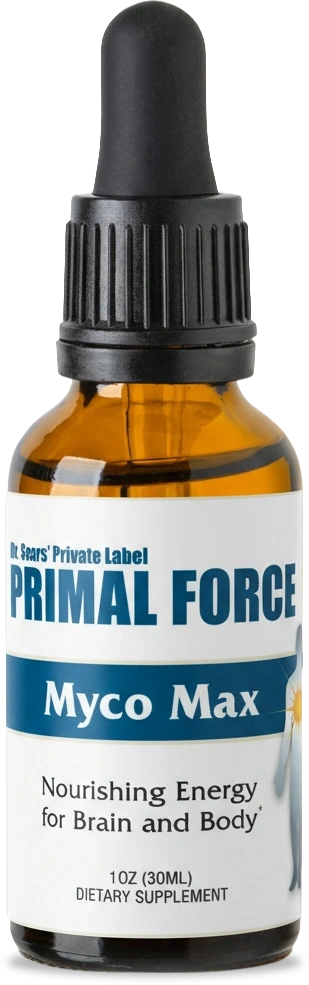
Frequently asked questions
What is the difference between rhodiola and ashwagandha?
Rhodiola rosea is a stimulating adaptogen most associated with fighting fatigue and lifting mental energy, while ashwagandha is a calming adaptogen most associated with lowering the felt intensity of stress. Rhodiola tends to energise; ashwagandha tends to settle.
Which is the best adaptogen for stress?
For stress that leaves you wired, anxious or unable to switch off, ashwagandha has the stronger body of human research for a calming effect. For stress that leaves you drained, foggy and fatigued, rhodiola is the more logical choice. The best adaptogen depends on how your stress actually feels.
Should I take rhodiola or ashwagandha for energy?
Rhodiola is the more common choice for energy, because it is traditionally used to counter mental and physical fatigue and is often felt earlier in the day. Ashwagandha supports energy more indirectly, by improving sleep and stress, so its benefit tends to build over weeks.
Which adaptogen does Myco Max use?
Myco Max is built around rhodiola rosea rather than ashwagandha, pairing it with functional mushrooms lion's mane and cordyceps plus gotu kola, sage and tribulus. The formula leans toward daytime mental energy and focus rather than sedation.
Can you take rhodiola and ashwagandha together?
Many people do combine them, using rhodiola in the morning and ashwagandha in the evening, and there is no well-documented dangerous interaction between the two. Still, anyone on medication or with a health condition should ask a doctor before stacking adaptogens.
How long do rhodiola and ashwagandha take to work?
Some people notice rhodiola's lift within days, while ashwagandha's calming and sleep benefits usually build over four to eight weeks of daily use. Adaptogens are gradual by nature, so consistency matters more than any single dose, and results vary.
Check today's Myco Max pricing →
Myco Max is a dietary supplement, not a treatment for any medical condition. These statements have not been evaluated by the Food and Drug Administration. This product is not intended to diagnose, treat, cure or prevent any disease. Always consult a qualified healthcare professional about your individual needs.
References & further reading
- National Center for Complementary and Integrative Health (NCCIH). Rhodiola. nccih.nih.gov/health/rhodiola
- National Center for Complementary and Integrative Health (NCCIH). Ashwagandha. nccih.nih.gov/health/ashwagandha
- Examine.com. Rhodiola rosea. examine.com/supplements/rhodiola-rosea
- Examine.com. Ashwagandha (Withania somnifera). examine.com/supplements/ashwagandha
- Olsson EM, von Scheele B, Panossian AG. A randomised, double-blind, placebo-controlled, parallel-group study of the standardised extract shr-5 of the roots of Rhodiola rosea in the treatment of subjects with stress-related fatigue. Planta Medica, 2009. PMID 19016404
- Chandrasekhar K, Kapoor J, Anishetty S. A prospective, randomized double-blind, placebo-controlled study of safety and efficacy of a high-concentration full-spectrum extract of ashwagandha root in reducing stress and anxiety in adults. Indian Journal of Psychological Medicine, 2012. PMID 23439798
These references describe the ingredients in general terms and do not constitute evidence that any product treats, cures or prevents any condition.
Keep reading: lion's mane and cordyceps for brain health · nootropic mushrooms for focus and clarity · back to the Myco Max blog · homepage.