Does lion's mane really work? The Myco Max fact check

Updated August 2026 · reviewed by the Myco Max Research Team. We are an independent information resource, not a medical provider, and this article is educational rather than medical advice.
Does lion's mane really work? The honest answer is that lion's mane has a real but early research base: small human trials and a lot of laboratory work suggest it may support aspects of cognitive wellness, yet none of it proves it treats or cures anything. This is a fact check, not a sales pitch: we separate the lion's mane hype from what the evidence says, then hold Myco Max to the same standard. Whether that translates into anything you can actually feel is the question we take apart in do nootropic mushrooms work. The trial people usually mean is a small Japanese double-blind study in adults with mild cognitive impairment, whose scores rose across 16 weeks of supplementation and fell back four weeks after it stopped (Mori et al., Phytotherapy Research, 2009).
Does lion's mane really work? Here is the honest, one-box version.
- Short verdict
- Partly, and the evidence is preliminary. Lion's mane is one of the most studied functional mushrooms, but the human trials are small and short.
- Best evidence
- A small 2009 trial in older adults reported better cognitive-scale scores on lion's mane — promising, but the benefit faded after they stopped.
- Where it is weak
- Most research is in cells and animals, doses and extracts vary widely, and no large confirmatory trials exist yet.
- How Myco Max fits
- Myco Max uses lion's mane as a daily wellness ingredient alongside cordyceps and adaptogens — a support habit, not a treatment for any disease.
Lion's mane (Hericium erinaceus) has become one of the internet's favourite “brain” ingredients, and formulas like Myco Max put it front and centre. That popularity is exactly why it deserves scrutiny.
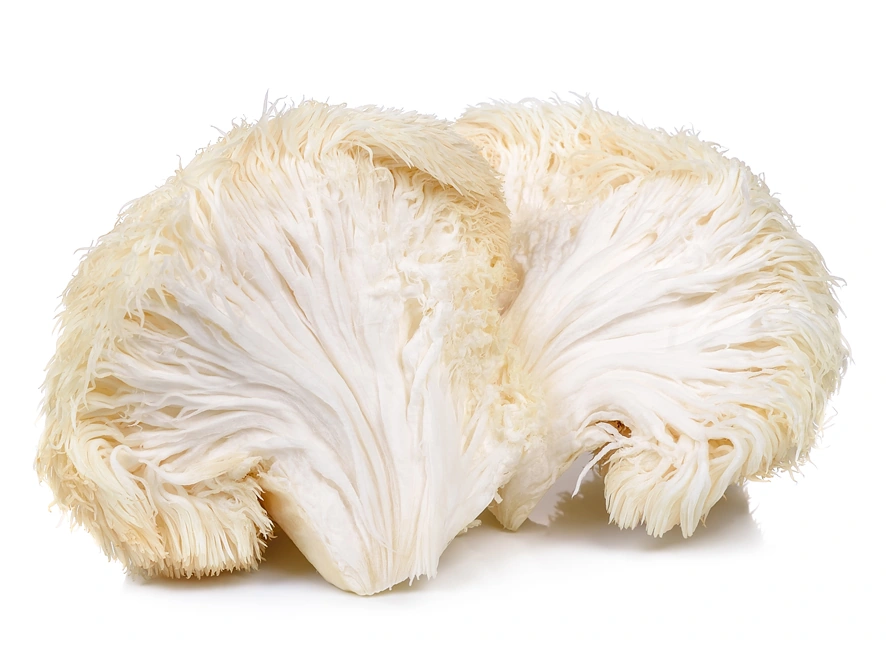
What is lion's mane, and why all the hype?
Lion's mane is an edible mushroom, eaten as food for centuries in East Asia, that contains compounds called hericenones and erinacines studied for their effect on nerve cells. The hype has a real seed: in laboratory dishes, some of these compounds nudge cells to produce more nerve growth factor (NGF), a protein that helps neurons survive and grow. That single mechanism is the story marketers love — and why lion's mane became a headline ingredient long before the human evidence caught up. We wrote a plain-language primer on nerve growth factor and why it matters. The mechanism story rests on cell work, in which the mushroom's compounds induced nerve growth factor activity in cultured astrocytoma cells (Mori et al., Biological and Pharmaceutical Bulletin, 2008).
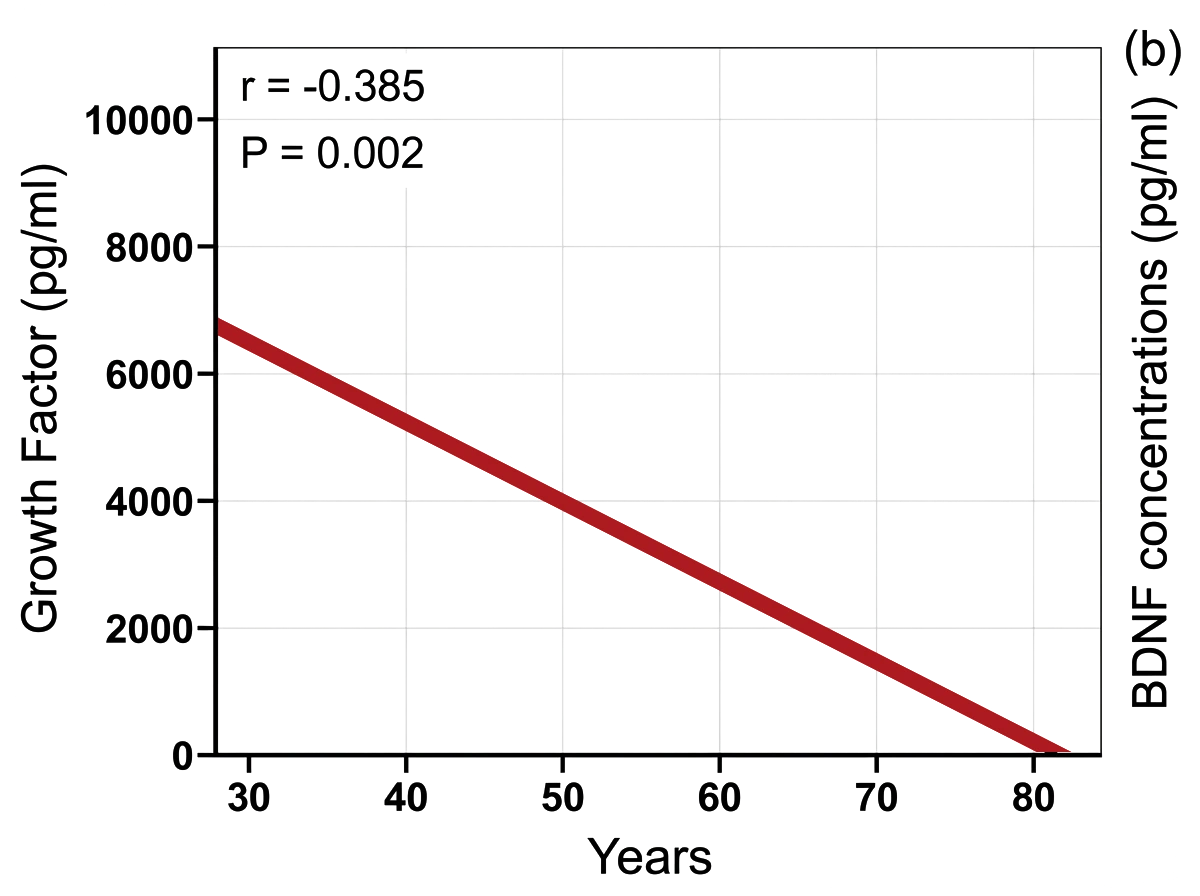
Does lion's mane really work? What the research actually shows
In honest summary: lion's mane shows promise in early human trials but is not confirmed by large, long studies. The evidence sits on three uneven legs: a handful of small human trials, a larger body of animal research, and a lot of cell-culture work — and only the first speaks directly to whether it works in people.
What did the strongest human study find?
The most cited human trial is a small 2009 Japanese study of older adults with mild cognitive complaints, in which the lion's mane group scored better on a cognitive scale than placebo over sixteen weeks. It is a genuine, peer-reviewed result — and it is also small (about 30 people), short, and followed by a telling detail: the advantage faded after participants stopped. That fade cuts both ways: it suggests the effect was tied to ongoing use, but it also means we cannot call it a durable cure. A later Japanese study also reported improved cognitive test scores after oral intake of Hericium erinaceus, again in a small sample (Saitsu et al., Biomedical Research, 2019).
| Type of evidence | What it suggests | How much weight to give it |
|---|---|---|
| Small human trials | Possible support for mild cognitive and mood measures over weeks | Promising but preliminary — small and short |
| Animal studies | Effects on nerve growth, recovery and memory tasks | Supportive of mechanism, not proof in humans |
| Cell-culture (in vitro) | Compounds can raise nerve growth factor in a dish | Explains “why” but is far from real-world use |
| Large confirmatory trials | Would settle the question either way | Do not yet exist — the key gap |
So “does lion's mane really work” has a defensible answer: there is a real signal worth taking seriously, wrapped in real uncertainty. Anyone who calls it either a guaranteed brain upgrade or total snake oil is skipping past the actual lion's mane evidence.
See the exact lion's mane dose in Myco Max →
Where is the lion's mane evidence weak?
The main weaknesses in lion's mane research are small sample sizes, short durations, inconsistent doses, and a heavy reliance on animal and cell studies. Being clear about these is what separates a fact check from a sales pitch.
Why do the study sizes matter so much?
Small trials are prone to noise: with only a few dozen people, a chance result can look like a real effect. Until larger, independently repeated trials arrive, every confident claim about lion's mane research should carry an asterisk — that is simply where the science honestly sits in 2026.
Do all studies even use the same thing?
No, and this is a quiet but important problem. Studies use different parts of the mushroom (fruiting body versus mycelium), different extraction methods, and doses ranging from under a gram to three grams a day. A benefit found with one specific extract does not automatically transfer to a different product on a shelf — which is why matching the form and dose to the research matters more than the name on the label.

How does this apply to Myco Max's claims?
Applied to Myco Max, the fair standard is this: it may reasonably describe lion's mane as a well-studied functional mushroom used for everyday cognitive wellness, but it should not claim to treat, cure or prevent any condition. Honest marketing for a lion's mane product stays in “support” and “wellness” language and avoids disease claims — the standard we hold Myco Max and every product to here.
Myco Max pairs lion's mane with cordyceps and adaptogens such as rhodiola and gotu kola in a once-daily liquid dropper. Combining ingredients is common, but it also means no single study tested that exact blend — another reason to treat it as a supportive daily habit rather than a proven remedy. For the wider picture, see our deep dive on lion's mane benefits in Myco Max and our comparison of lion's mane vs. cordyceps.
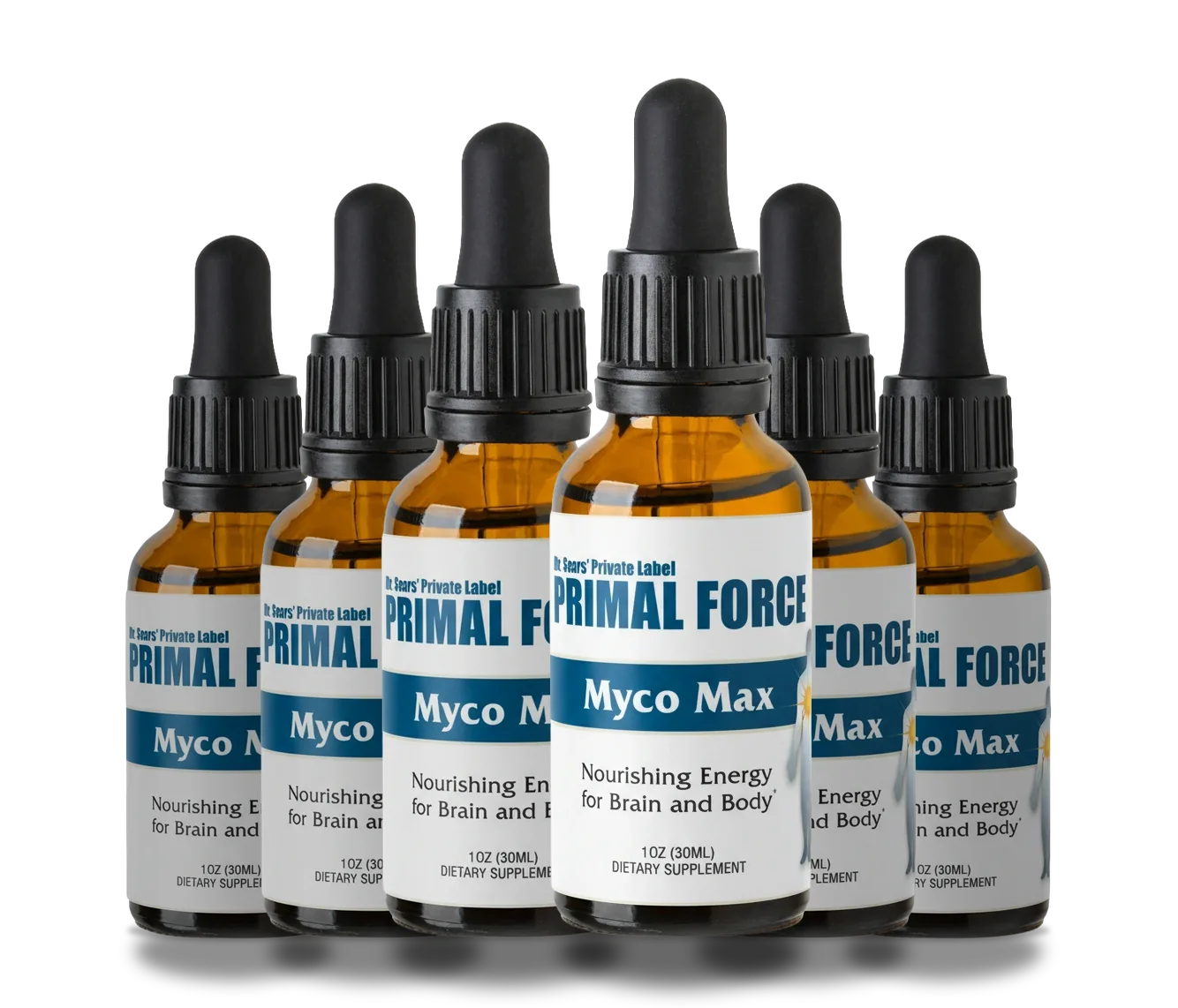
Want the real numbers, not the hype?
Myco Max lists its lion's mane and cordyceps blend right on the label. The six-bottle bundle is the best value with free U.S. shipping and a 90-day guarantee.
Check today's Myco Max pricing — from $49/bottleWhat dose and timeframe do the studies use?
Human lion's mane trials that reported benefits generally used roughly one to three grams of extract per day for eight to sixteen weeks, not a single dose or a quick hit. Liquid extracts, like the dropper Myco Max uses, are concentrated differently from the powdered capsules in most studies — so compare the per-serving amount on the label to these figures rather than assume any bottle matches the research.
| Question | What the research suggests | Practical takeaway |
|---|---|---|
| Typical daily amount | ~1–3 g of extract per day in benefit-reporting trials | Check the label's per-serving amount and extract type |
| How long to trial it | 8–16 weeks before differences appeared | Judge it over months, not days |
| Does the benefit last? | Faded after people stopped in the key study | Consistency, if you choose to use it, is the point |
| Best form | Varied — fruiting body and mycelium both studied | Form and dose matter more than the brand name |
If you do try lion's mane, this is the sober way to do it: pick a product that states its dose, give it a fair eight-to-twelve-week run, and watch how you actually feel rather than expecting an overnight switch. You can compare Myco Max's packages and pricing to plan a multi-month trial.
Who might notice something, and who probably won't?
Realistically, the people most likely to notice a subtle difference are healthy adults using lion's mane consistently as one part of a good sleep, diet and exercise routine — not those expecting it to override poor habits. If your sleep is broken and your diet is chaotic, no mushroom will out-run that, and expecting it to is where the lion's mane hype meets disappointment.
When should you talk to a doctor?
Lion's mane is a food-grade mushroom and generally well tolerated, but it is not a substitute for medical care. Speak with your doctor before using it if you are pregnant or nursing, under 18, have a mushroom allergy, take any medication, have a diagnosed condition, or notice persistent changes in memory, mood or concentration.
Frequently asked questions
Does lion's mane really work?
The honest answer is partly, and the evidence is early. Lion's mane is one of the most studied functional mushrooms, and small human trials plus lab research suggest it may support aspects of cognitive wellness, but the studies are mostly small, short and not yet confirmed by large trials. It is a reasonable everyday wellness ingredient, not a proven treatment.
What does the strongest lion's mane research actually show?
The most cited human study is a small 2009 Japanese trial in older adults with mild cognitive complaints, which reported better scores on a cognitive scale while taking lion's mane, with the benefit fading after they stopped. Other work is mostly in cells and animals. The signal is encouraging but preliminary.
Is lion's mane just hype?
It is neither pure hype nor a miracle. Lion's mane has a genuine research base and a long history of food use, but marketing often overstates it by turning early findings into firm promises. Treating it as a supportive habit rather than a cure keeps expectations honest.
How much lion's mane is in Myco Max?
Myco Max delivers lion's mane as part of a once-daily liquid dropper blend alongside cordyceps and adaptogens. Check the current supplement facts panel on the label and product page for the exact per-serving amount, since liquid extracts are dosed differently from the powdered capsules used in most studies.
How long before lion's mane might do anything?
In the human research that reported a benefit, people took lion's mane daily for several weeks to a few months before differences appeared, and the effect faded after they stopped. If you try it, judge it over eight to twelve consistent weeks rather than a few days, and remember results vary.
Is lion's mane safe?
Lion's mane is widely eaten as a culinary mushroom and is generally well tolerated in studies, with occasional digestive upset reported. It is not a treatment for any disease. If you are pregnant or nursing, have a mushroom allergy, take medication or have a health condition, talk to your doctor before using it.
See the exact dose in Myco Max — risk-free for 90 days →
Myco Max is a dietary supplement, not a treatment for any medical condition. These statements have not been evaluated by the Food and Drug Administration. This product is not intended to diagnose, treat, cure or prevent any disease. Always consult a qualified healthcare professional about your individual needs.
References & further reading
- National Center for Complementary and Integrative Health (NCCIH). “Mushrooms” and dietary supplements — safety and evidence overview. nccih.nih.gov/health/dietary-and-herbal-supplements
- Examine.com. Lion's Mane (Hericium erinaceus) — evidence summary. examine.com/supplements/lions-mane
- Mori K, et al. Improving effects of the mushroom Yamabushitake (Hericium erinaceus) on mild cognitive impairment: a double-blind placebo-controlled clinical trial. PubMed / U.S. National Library of Medicine. pubmed.ncbi.nlm.nih.gov/18844328
- Saitsu Y, Nishide A, Kikushima K, et al. Improvement of cognitive functions by oral intake of Hericium erinaceus. Biomedical Research, 2019. PMID 31413233
- Mori K, Obara Y, Hirota M, et al. Nerve growth factor-inducing activity of Hericium erinaceus in 1321N1 human astrocytoma cells. Biological and Pharmaceutical Bulletin, 2008. PMID 18758067
These references describe the ingredient in general and preliminary terms and do not constitute evidence that any product treats, cures or prevents any condition.
Keep reading: lion's mane and cordyceps for brain health · the full Myco Max review.