Do nootropic mushrooms work? The honest Myco Max answer

Updated August 2026 · reviewed by the Myco Max Research Team. We are an independent information resource, not a medical provider, and this article is educational rather than medical advice.
Do nootropic mushrooms work? The honest answer is partly, and less dramatically than the ads suggest: lion's mane has the most human research for cognitive wellness, cordyceps and adaptogens rest largely on tradition and lab work, and none of them is a guaranteed brain boost. Used daily and patiently, functional mushrooms are best understood as gentle everyday support — which is exactly the role a formula like Myco Max is built to play. We looked at the human trials behind that reputation in does lion's mane really work. The strongest human signal in the category comes from a small double-blind trial of lion's mane in older adults with mild cognitive impairment (Mori et al., Phytotherapy Research, 2009).
The realistic verdict on nootropic mushrooms, minus the hype.
- The short version
- The most-studied functional mushrooms show modest, promising signals in small human trials — real, but far from the "instant genius" marketing.
- Strongest evidence
- Lion's mane leads for cognitive wellness; cordyceps and adaptogens like rhodiola sit more on traditional use and early lab research.
- Timeframe
- Expect a subtle shift over four to eight weeks of daily use, not a same-day jolt — and results vary from person to person.
- The catch
- Dose matters enormously; tiny "fairy dust" amounts hidden in proprietary blends are why many products underwhelm.
- Where Myco Max fits
- It combines lion's mane and cordyceps with adaptogens as a daily support drop — a supplement, not a treatment for any disease.
Search "nootropic mushrooms" and you meet two extremes: breathless promises of a rebuilt brain, and blanket dismissals that it is all placebo. The truth sits in a more interesting middle. This is a myth-check — what the nootropic mushroom evidence genuinely supports, which mushroom brain claims are marketing, and how to set fair expectations before you spend a cent.
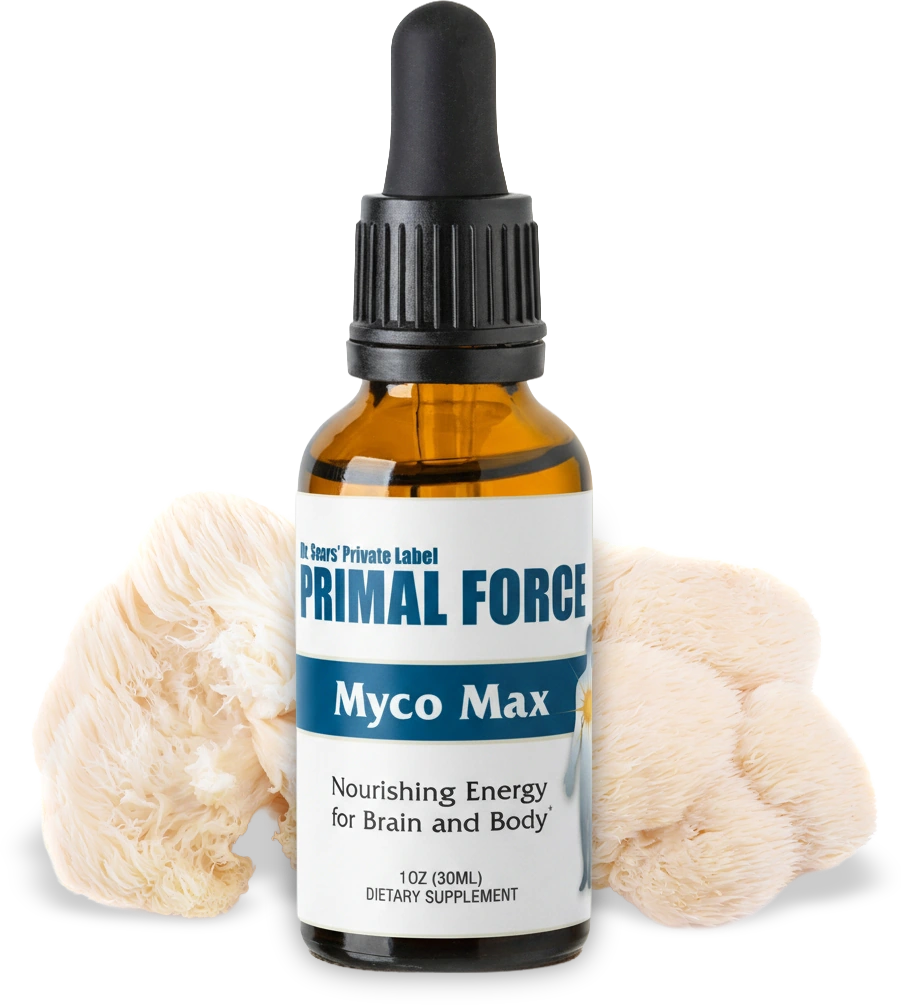
What are nootropic mushrooms, exactly?
A nootropic mushroom is an edible or medicinal fungus — most often lion's mane or cordyceps — taken in the hope of supporting focus, memory or mental energy. "Nootropic" simply means something used to support cognition; it is not a regulated medical category, and no mushroom is approved to diagnose, treat or cure anything. What makes these fungi interesting is a mix of centuries of traditional use and a small but growing body of research into compounds such as hericenones, erinacines and cordycepin.
It helps to separate two claims marketers blur together. One is that these mushrooms are bioactive — they contain compounds that do measurable things in the body, which is well established. The other is that a capsule or drop reliably makes you smarter, which the evidence does not yet support. Good functional mushroom science lives in that gap.
Do nootropic mushrooms work? What the evidence actually shows
Whether nootropic mushrooms work depends entirely on which mushroom, what outcome, and how strong you demand the proof. Here is the honest, ingredient-by-ingredient picture — including where the evidence is thin.
What does the lion's mane research say?
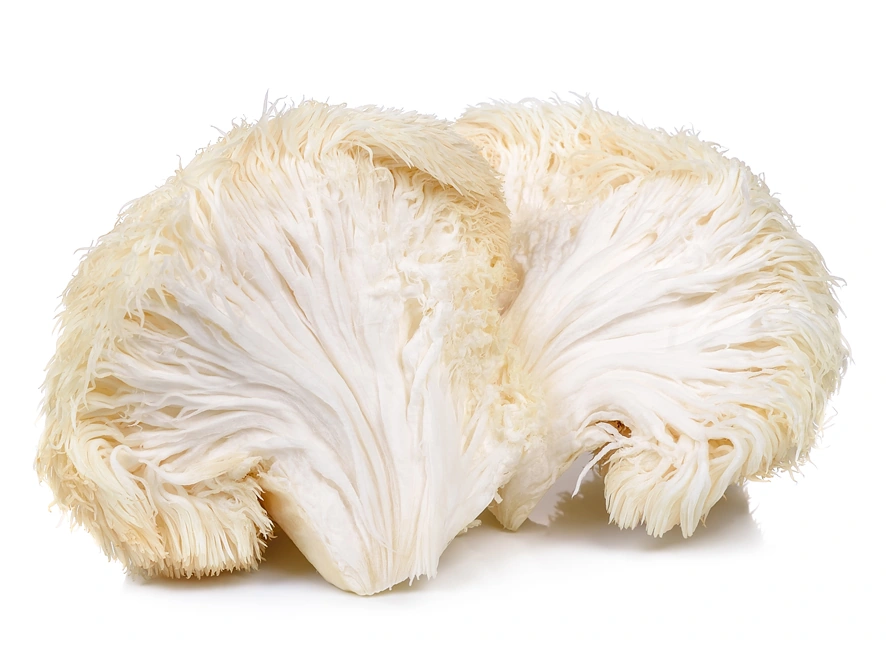
Lion's mane (Hericium erinaceus) is the most studied functional mushroom for cognitive wellness, and it is where the case is strongest — but "strongest" still means early. A handful of small human trials have reported modest improvements in aspects of cognition and mood, and lab studies show its compounds can influence nerve growth factor in cells. The honest caveats: trials are small and short, some are industry-funded, and effects have not always persisted after people stopped. It is genuinely promising, not proven. See our guide to lion's mane and cordyceps for brain health. Much of the excitement traces back to laboratory work in which Hericium erinaceus compounds induced nerve growth factor activity in cultured human cells (Mori et al., Biological and Pharmaceutical Bulletin, 2008).
What about cordyceps and energy?
Cordyceps is traditionally used for stamina and cellular energy, and most of its evidence is traditional and preclinical rather than proof of a brain benefit. Small studies of exercise and fatigue show mixed, modest results, and direct cognitive research in humans is limited. Its plausible role in a nootropic formula is indirect: less physical fatigue can make focus feel easier — a mechanism, not a guarantee, as our cordyceps for energy explainer notes.
Where do adaptogens like rhodiola fit?
Adaptogens such as rhodiola rosea are not mushrooms, but they often ride alongside them in nootropic blends to support the body's response to everyday stress and fatigue. Rhodiola has some of the better human data among adaptogens for perceived fatigue, though study quality varies. Its role is supportive rather than starring: by softening the fatigue that fogs thinking, it may help the whole stack feel steadier. That is support, not a treatment claim. For the adaptogen side of these formulas, a widely cited review sets out the proposed stress-protective mechanisms and how provisional they remain (Panossian et al., Pharmaceuticals, 2010).
See the exact dose in Myco Max →
Which mushroom brain claims are hype, and which are real?
The fastest way to spot marketing is to compare the promise against what a cautious scientist would actually say. Real evidence is modest, human and hedged; hype is fast, dramatic and absolute. This table lines the common claims up against the honest version.
| Marketing claim | Honest, evidence-led version |
|---|---|
| "Rebuilds your brain" | Lab studies show effects on nerve-growth signalling in cells — not the same as rebuilding a human brain. |
| "Instant focus in minutes" | Any real signal builds over weeks. Same-day effects are usually caffeine or expectation. |
| "Clinically proven to boost IQ" | No mushroom is proven to raise IQ; trials measure narrow tasks with small, inconsistent effects. |
| "Doctors are stunned" | A red-flag phrase. Credible sources report cautiously and disclose limitations. |
| "Works for everyone" | Results vary widely; some notice a subtle lift, others feel nothing. |
| "A natural alternative to medication" | Supplements are not medicine and treat nothing; never swap a prescription for a mushroom. |
None of this means the ingredients are worthless — only that the honest pitch is quieter: functional mushrooms may offer gentle, gradual support for a mind that is already well-slept, well-fed and active. If a product promises more, the promise, not the mushroom, is the problem.
How strong is the evidence, ingredient by ingredient?
A fair evidence grade weighs how much of the research is in humans, how large and consistent it is, and how much rests on tradition alone. Using that lens, here is a candid scorecard for the ingredients most common in nootropic mushroom formulas, including several found in Myco Max.
| Ingredient | Type | Evidence strength | What it is realistically for |
|---|---|---|---|
| Lion's mane | Functional mushroom | Early human trials — the strongest of the group | General cognitive-wellness support |
| Cordyceps | Functional mushroom | Mostly traditional & preclinical | Stamina and everyday energy |
| Rhodiola rosea | Adaptogen | Some human data, variable quality | Perceived fatigue and stress resilience |
| Gotu kola | Traditional tonic | Limited human research | Calm, traditional mind tonic |
| Sage | Culinary herb | A few small memory studies | Traditional link to memory |
The pattern is clear: no single ingredient earns a "proven" grade, and the sensible read is a stack of gentle, complementary supports, not one miracle compound. Our lion's mane vs cordyceps comparison breaks down who each headliner suits.
Judge the formula, not the hype
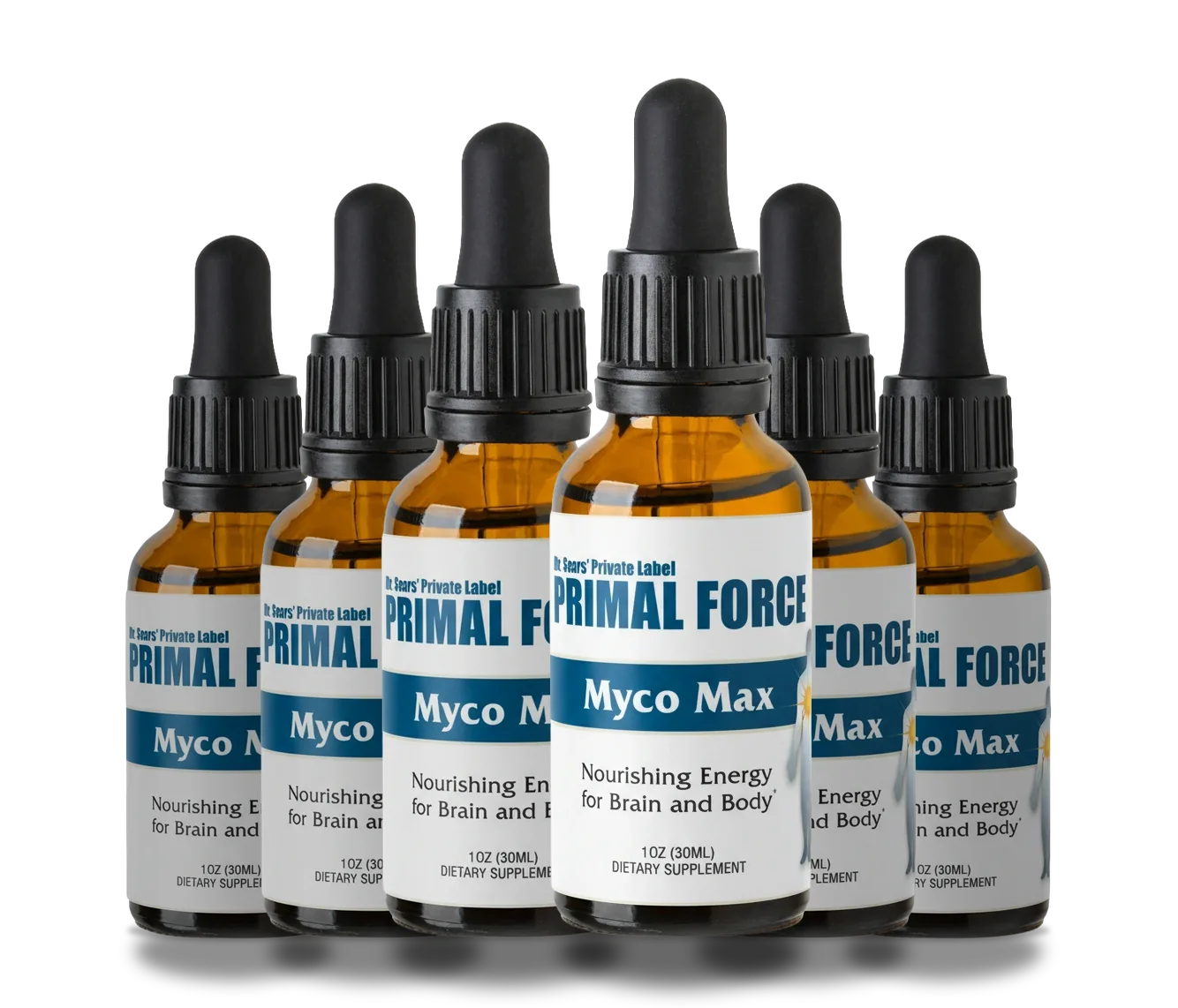
Myco Max pairs lion's mane and cordyceps with rhodiola, gotu kola, sage and tribulus as a once-daily dropper. The six-bottle bundle is the best value at $49 per bottle, with free U.S. shipping and a 90-day guarantee — enough time for a fair multi-week trial.
Check today's Myco Max pricing — from $49/bottleWhat should you realistically expect from Myco Max?
Realistic expectations are the whole game, and Myco Max is designed to be honest about them. It is a once-daily liquid drop combining lion's mane and cordyceps with adaptogenic botanicals — a supplement meant to support an already-healthy routine, not to overhaul your brain or replace medical care. If your sleep, diet and movement are a mess, no dropper will fix that.
Set your yardstick accordingly. A reasonable hope is a subtle, gradual sense of steadier focus or less mental fatigue over several weeks, felt more on demanding days than dramatic ones. Some people notice this; some do not, and both are normal. Because botanicals build slowly, the fairest test is a consistent multi-week run — which is why most people choose a multi-month supply. Compare the packages and pricing or read the full Myco Max review first.

How do you judge a nootropic mushroom product?
A trustworthy nootropic mushroom product is one that tells you exactly what is inside and in what amount, then makes modest claims about it. Before you buy anything — Myco Max included — run it through this checklist:
- Real, disclosed doses. Meaningful amounts of each mushroom, not a mystery "proprietary blend" hiding fairy-dust quantities.
- Fruiting body or specified extract. Know whether you get the mushroom itself or grain-grown mycelium, and at what ratio.
- Modest, honest claims. Language about "support," not "cure" or "proven boost."
- Third-party testing and a clear label. A reputable facility, contact details and a guarantee.
- A fair trial window. A guarantee long enough to test the product for weeks, not days.
If you are weighing formats, our take on mushroom drops vs capsules covers why a liquid dropper can be an easy daily habit. The checklist point is simple: the mushroom might work gently, but only if the product contains a real dose of it.
When should you talk to a doctor?
Nootropic mushrooms are food-derived and generally well tolerated, but they are not right for everyone and are never a substitute for medical care. Talk to your doctor before starting if you are pregnant or nursing, under 18, take any medication (especially blood thinners or diabetes medicine), have a diagnosed condition, or notice persistent changes in memory, mood or concentration. If a product ever tells you to stop a prescribed treatment, treat that as a reason to walk away.
Frequently asked questions
Do nootropic mushrooms actually work?
Some do more than others. Lion's mane has the most human research for cognitive wellness, though studies are small and results are modest, while cordyceps and adaptogens sit mostly on traditional use and lab work. Nootropic mushrooms are best viewed as gentle everyday support, not a guaranteed brain boost.
How long do nootropic mushrooms take to work?
Most people who notice anything describe a subtle shift over four to eight weeks of daily use rather than a same-day jolt. Functional mushrooms build their support gradually, so a multi-week trial is a fairer test than a single dose, and individual results vary.
Is lion's mane proven to improve memory?
No ingredient is proven to improve memory in the way a drug is. Lion's mane is the most studied functional mushroom for cognitive wellness, with a few small, promising human trials, but the evidence is early and not strong enough to claim it treats or prevents any condition.
What is the difference between marketing hype and real evidence?
Hype promises fast, dramatic, guaranteed results and cites cells or animals as if they were people. Real evidence is cautious, uses human trials, reports modest effects, and admits uncertainty. Honest nootropic mushroom claims talk about support, not cures.
Does the dose of nootropic mushrooms matter?
Yes. Many products use tiny “fairy dust” amounts far below what studies used, or hide the real dose inside a proprietary blend. A useful formula lists meaningful amounts of each mushroom, which is why the exact dose in Myco Max is worth checking before you compare price.
Are nootropic mushrooms safe to take daily?
Functional mushrooms like lion's mane and cordyceps are generally well tolerated in the studied ranges, with occasional mild digestive upset. They are not for everyone: if you are pregnant, nursing, under 18, on medication or have a diagnosed condition, ask your doctor before starting.
Try Myco Max risk-free for 90 days →
Myco Max is a dietary supplement, not a treatment for any medical condition. These statements have not been evaluated by the Food and Drug Administration. This product is not intended to diagnose, treat, cure or prevent any disease. Always consult a qualified healthcare professional about your individual needs.
References & further reading
- National Center for Complementary and Integrative Health (NCCIH). “Natural Products” and dietary supplements — consumer guidance. nccih.nih.gov/health/dietary-and-herbal-supplements
- Examine.com. Lion's Mane (Hericium erinaceus) — evidence summary. examine.com/supplements/lions-mane
- Examine.com. Cordyceps — evidence summary. examine.com/supplements/cordyceps
- National Center for Complementary and Integrative Health (NCCIH). Rhodiola. nccih.nih.gov/health/rhodiola
- National Institutes of Health, Office of Dietary Supplements. Dietary Supplements: What You Need to Know. ods.od.nih.gov/factsheets/WYNTK-Consumer
- Mori K, Inatomi S, Ouchi K, et al. Improving effects of the mushroom Yamabushitake (Hericium erinaceus) on mild cognitive impairment: a double-blind placebo-controlled clinical trial. Phytotherapy Research, 2009. PMID 18844328
- Mori K, Obara Y, Hirota M, et al. Nerve growth factor-inducing activity of Hericium erinaceus in 1321N1 human astrocytoma cells. Biological and Pharmaceutical Bulletin, 2008. PMID 18758067
- Panossian A, Wikman G. Effects of Adaptogens on the Central Nervous System and the Molecular Mechanisms Associated with Their Stress-Protective Activity. Pharmaceuticals, 2010. PMID 27713248
These references describe the ingredients and habits in general terms and do not constitute evidence that any product treats, cures or prevents any condition.
Keep reading: nootropic mushrooms for focus and clarity · lion's mane and cordyceps for brain health · back to the Myco Max blog · homepage.