What is nerve growth factor (NGF)? Lion's mane in Myco Max, explained

Updated September 2026 · reviewed by the Myco Max Research Team. We are an independent information resource, not a medical provider, and this article is educational rather than medical advice.
Nerve growth factor, or NGF, is a small protein your body makes that helps certain nerve cells grow, survive and stay maintained. Discovered in the mid-20th century and recognised with a Nobel Prize in 1986, it is one reason researchers keep studying lion's mane — the headline mushroom in Myco Max — even though the human evidence is still an open question rather than a settled promise. The discovery story and its place in modern neurobiology are set out in a retrospective on Rita Levi-Montalcini's work (Aloe, Trends in Cell Biology, 2004).
NGF in one place, and where lion's mane fits.
- What NGF is
- A naturally occurring protein — a “neurotrophin” — that helps specific nerve cells develop, survive and be maintained.
- Why it is famous
- Its discovery earned Rita Levi-Montalcini and Stanley Cohen the 1986 Nobel Prize in Physiology or Medicine.
- The lion's mane link
- Lab and animal studies suggest lion's mane compounds can influence NGF-related activity; solid human proof is still limited.
- What Myco Max is
- A lion's mane and cordyceps liquid supplement — it does not contain NGF and is not a treatment for any condition.
Search “lion's mane” and you quickly meet a three-letter acronym: NGF — usually with more confidence than the science warrants. Below: what nerve growth factor really is, and why lion's mane in Myco Max keeps appearing in the conversation. The link to lion's mane comes from cell work in which the mushroom's compounds induced nerve growth factor activity in cultured human astrocytoma cells (Mori et al., Biological and Pharmaceutical Bulletin, 2008).
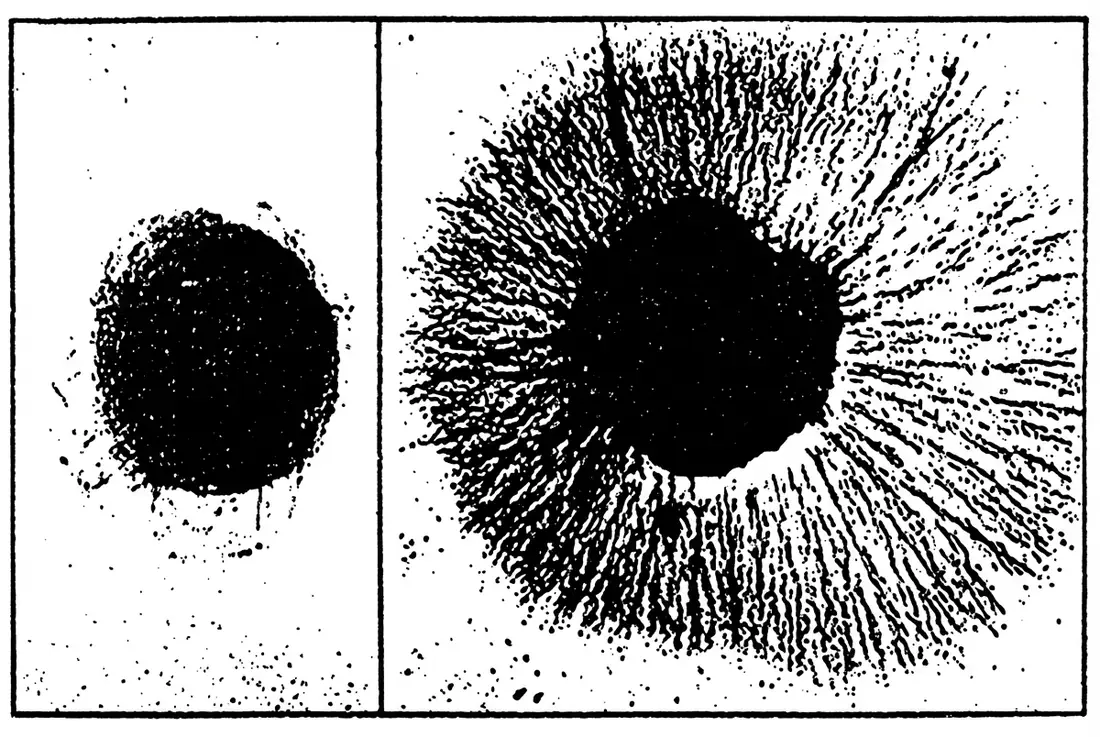
What is nerve growth factor, exactly?
Nerve growth factor is a protein that acts as a chemical message, telling specific nerve cells to grow, survive and keep their connections in good repair. It belongs to a family of molecules called neurotrophins. Your body makes NGF on its own; it is not a vitamin you eat or a drug you take, but a maintenance signal certain neurons rely on across a lifetime.
Which cells rely on NGF?
NGF matters most to particular nerve cells, including certain cholinergic neurons in the brain involved in attention and memory. With the right neurotrophic signals, those cells better maintain the connections through which the nervous system works — the tidy textbook version, worth holding onto before the marketing versions arrive. Before accepting any supplement claim about NGF, the NIH Office of Dietary Supplements consumer guide is a useful corrective (NIH Office of Dietary Supplements).
Who discovered NGF, and why the 1986 Nobel Prize?
Nerve growth factor was discovered by Rita Levi-Montalcini in the 1950s, its chemistry worked out with biochemist Stanley Cohen — earning the two the 1986 Nobel Prize in Physiology or Medicine. Levi-Montalcini famously ran early experiments in a makeshift bedroom laboratory in wartime Italy, watching how nerve fibres responded to a substance released by certain tissues. That substance was NGF, and identifying it opened a new field: the study of growth factors that govern how cells develop.

Why does a decades-old prize matter to a shopper today? Because it is why NGF carries such weight in wellness copy. The leap that deserves scrutiny runs from “NGF is real and important” to “this pill will raise your NGF and sharpen your mind.” Only the first claim is settled.
What does NGF actually do in the brain and body?
NGF's core job is to help certain nerve cells survive and maintain themselves — not to make anyone smarter on demand. In early development it guides nerve fibres toward their targets; in the mature nervous system it aids the upkeep of the cells that depend on it.
Can you simply take more NGF?
The limits matter too. NGF is one signal among many, tightly regulated, and it does not cross freely from the bloodstream into the brain. That single fact — the blood-brain barrier — is why “flood your brain with NGF” is an oversimplification. Any real influence on brain-relevant NGF activity is indirect and, in humans, still being mapped.
Why do researchers study lion's mane alongside NGF?
Lion's mane earns its place in the NGF conversation because laboratory studies found that compounds it contains — hericenones and erinacines — can stimulate NGF-related activity in cultured cells. That finding, repeated in cell and animal models, put this shaggy white mushroom on the map for brain-curious readers.
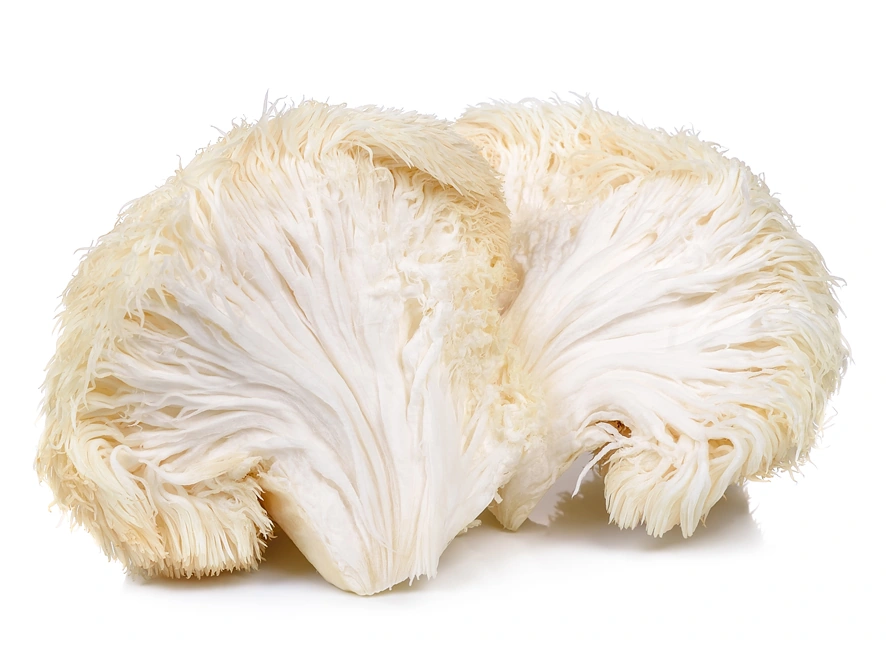
Does lion's mane really boost NGF?
Here is the honest boundary. Cell-culture and rodent results are interesting, but they are not proof that a person taking lion's mane raises their own NGF or thinks more clearly. Human trials so far are small, short and mixed, with open questions about dose and whether these compounds reach the brain intact. Lion's mane is a promising subject of research — not a demonstrated NGF booster.
| Claim | Evidence level | Honest reading |
|---|---|---|
| NGF exists and supports certain nerve cells | Well established | Textbook biology; Nobel-recognised in 1986. |
| Lion's mane compounds affect NGF in the lab | Moderate (cell & animal) | Repeatable in cultured cells and rodents. |
| Eating lion's mane raises NGF in people | Limited / unclear | Human data are small, short and inconsistent. |
| Lion's mane sharpens memory or focus | Early / mixed | Some small trials encouraging; not conclusive. |
| Any product “cures” a brain condition | No support | Not a claim any supplement can make. |
For a deeper look at the mushroom itself, see our companion guide to lion's mane benefits in Myco Max, or the broader piece on lion's mane and cordyceps for brain health.
See the exact lion's mane dose in Myco Max →
How is NGF different from BDNF and other neurotrophins?
NGF is one member of the neurotrophin family, and BDNF — brain-derived neurotrophic factor — is a different member often mentioned in the same breath. They are relatives, not twins: each is a distinct protein acting on different nerve cells through different receptors. NGF was simply the first discovered, lending its name to the whole idea.
When a label name-drops “NGF support,” it borrows the prestige of a real signalling system. The table below lines up the family so the acronyms stop blurring together.
| Neurotrophin | Full name | Noted for |
|---|---|---|
| NGF | Nerve growth factor | First discovered; supports certain peripheral and cholinergic neurons. |
| BDNF | Brain-derived neurotrophic factor | Widely studied in the brain; linked in research to exercise. |
| NT-3 | Neurotrophin-3 | Involved in the development of several nerve-cell types. |
| NT-4 | Neurotrophin-4 | Shares receptors with BDNF. |
Curious where the science meets the bottle?
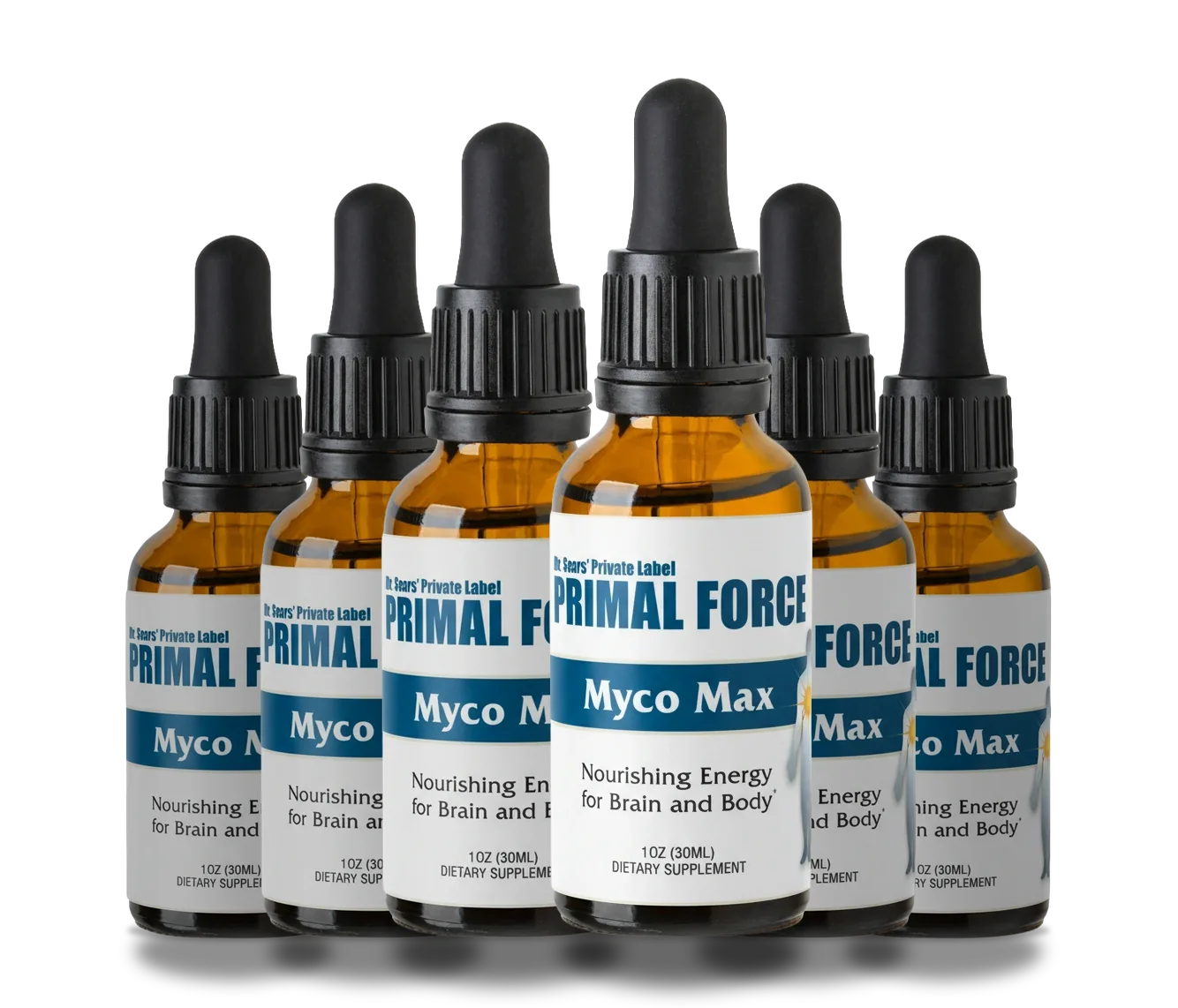
Myco Max is a once-daily dropper built on lion's mane and cordyceps — the mushroom at the centre of the NGF research conversation — with adaptogenic botanicals. The six-bottle bundle is the best value at $49 per bottle, with free U.S. shipping and a 90-day guarantee.
Check today's Myco Max pricing — from $49/bottleWhere does Myco Max fit into all of this?
Myco Max is a lion's mane and cordyceps liquid supplement — not a source of NGF and not a treatment for any condition. It belongs here for one reason: lion's mane is the most talked-about mushroom in NGF research, and Myco Max delivers it as fast liquid drops alongside cordyceps, rhodiola, sage and gotu kola.
What Myco Max does not do is promise to raise your NGF or rewire your memory — anyone selling that certainty is ahead of the evidence. What you can expect is a transparently dosed mushroom formula that lets you try the ingredient the research is actually about, with a money-back guarantee.
Can you support healthy nerve function naturally?
Which everyday habits help most?
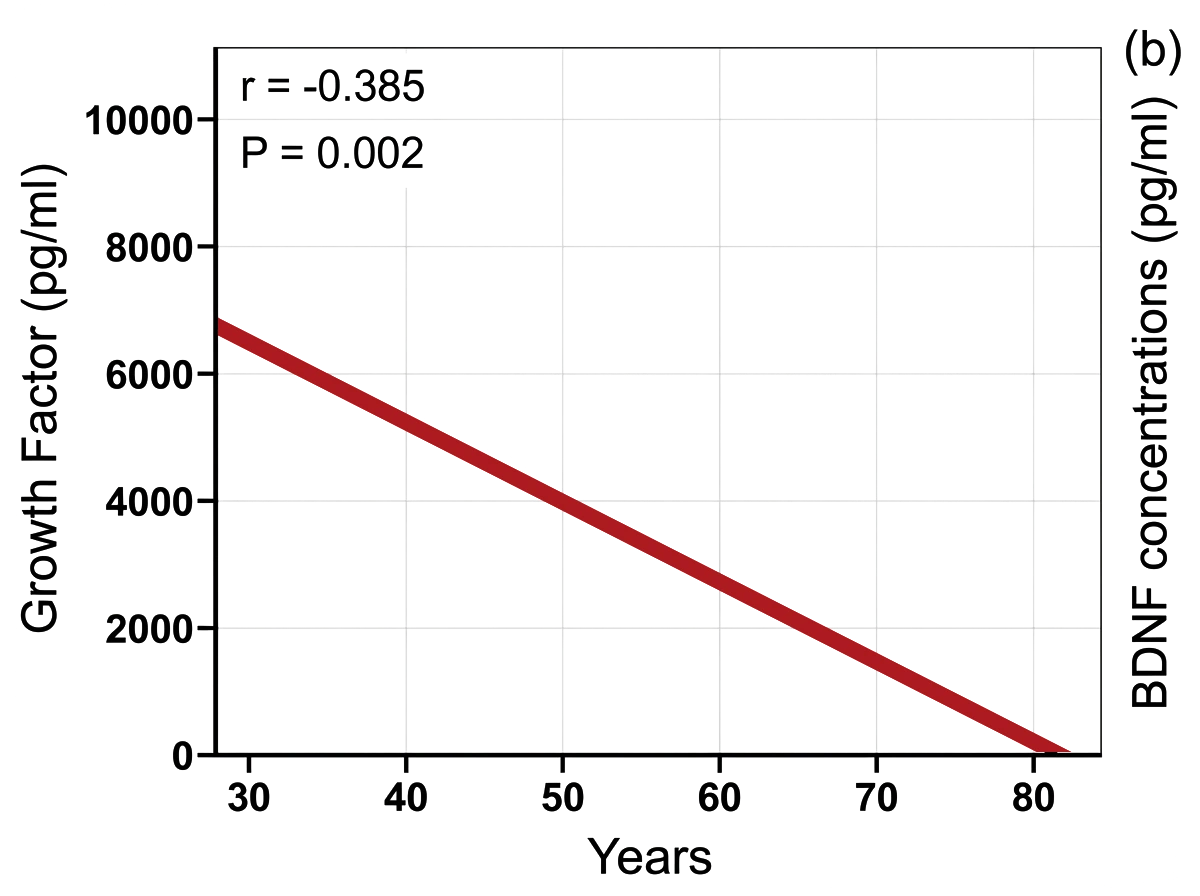
The best-supported way to look after your nervous system is not a single molecule but a set of everyday habits research links to brain and nerve health. Regular aerobic exercise, good sleep, a whole-food diet rich in omega-3s, and managing chronic stress form the foundation — and exercise is one of the more reliable ways to support neurotrophic signalling such as BDNF.
- Move most days — anything that raises your heart rate supports blood flow and nerve health.
- Protect deep sleep — seven to nine consistent hours is when the brain does its housekeeping.
- Eat for the brain — oily fish, leafy greens, berries, nuts and whole grains over refined sugar.
- Lower chronic stress — slow breathing, time outdoors and real breaks all count.
- Add mushrooms if you choose — lion's mane, as in Myco Max, can sit within that routine.
For the wider playbook, see our guide to supporting memory and focus naturally.
When should you talk to a doctor?
NGF science is fascinating, but it is not a reason to self-treat any symptom. Speak with a qualified healthcare professional before adding lion's mane or any new supplement if you are pregnant or nursing, under 18, taking medication, or living with a diagnosed condition — and see a doctor for any persistent changes in memory, mood or coordination.
Frequently asked questions
What is nerve growth factor in simple terms?
Nerve growth factor, or NGF, is a small protein your body makes that helps certain nerve cells grow, survive and stay maintained. It is one of a family of signalling molecules called neurotrophins, first described in the mid-20th century and honoured with a Nobel Prize in 1986.
Who discovered nerve growth factor and won the Nobel Prize?
Rita Levi-Montalcini and Stanley Cohen shared the 1986 Nobel Prize in Physiology or Medicine for the discovery of nerve growth factor and epidermal growth factor. Levi-Montalcini's work in the 1950s first identified the NGF signal.
Does lion's mane raise NGF in humans?
Laboratory and animal studies suggest lion's mane compounds like hericenones and erinacines can influence NGF-related activity, but strong human evidence that eating it raises NGF in people is still limited. It is ongoing research, not settled fact.
Is NGF the same as BDNF?
No. NGF and BDNF are both neurotrophins, a family of proteins that support nerve cells, but they are different molecules that act on different cell types. They are often discussed together because both relate to how nerve cells grow and are maintained.
Does Myco Max contain NGF?
No. Myco Max does not contain nerve growth factor. It is a lion's mane and cordyceps liquid supplement, and lion's mane is included because it is one of the most studied mushrooms in the NGF research conversation. Myco Max supports a healthy routine and is not a treatment for any condition.
Can I boost my own NGF naturally?
Everyday habits linked in research to healthy nerve and brain function — regular exercise, good sleep, a whole-food diet and managing stress — are the best-supported foundation. Some people also use lion's mane as part of that routine. None of this is a cure for any disease.
Try the lion's mane behind the NGF story — Myco Max, risk-free for 90 days →
Myco Max is a dietary supplement, not a treatment for any medical condition. These statements have not been evaluated by the Food and Drug Administration. This product is not intended to diagnose, treat, cure or prevent any disease. Always consult a qualified healthcare professional about your individual needs.
References & further reading
- The Nobel Prize. The Nobel Prize in Physiology or Medicine 1986 — Rita Levi-Montalcini & Stanley Cohen. nobelprize.org/prizes/medicine/1986
- Examine.com. Lion's Mane (Hericium erinaceus). examine.com/supplements/lions-mane
- National Center for Complementary and Integrative Health (NCCIH). Dietary and Herbal Supplements. nccih.nih.gov/health/dietary-and-herbal-supplements
- National Institutes of Health, Office of Dietary Supplements. Omega-3 Fatty Acids — Fact Sheet. ods.od.nih.gov/factsheets/Omega3FattyAcids-Consumer
- Aloe L. Rita Levi-Montalcini: the discovery of nerve growth factor and modern neurobiology. Trends in Cell Biology, 2004. PMID 15246433
- Mori K, Obara Y, Hirota M, et al. Nerve growth factor-inducing activity of Hericium erinaceus in 1321N1 human astrocytoma cells. Biological and Pharmaceutical Bulletin, 2008. PMID 18758067
- National Institutes of Health, Office of Dietary Supplements. Dietary Supplements: What You Need to Know. ods.od.nih.gov/factsheets/WYNTK-Consumer
These references describe nerve growth factor, lion's mane and related habits in general terms and do not constitute evidence that any product treats, cures or prevents any condition.
Keep reading: lion's mane benefits in Myco Max · lion's mane and cordyceps for brain health · back to the Myco Max blog · homepage.