Tribulus terrestris benefits in Myco Max: what it does

Updated August 2026 · reviewed by the Myco Max Research Team. We are an independent information resource, not a medical provider, and this article is educational rather than medical advice.
Tribulus terrestris is a small flowering plant that has been used for centuries as a traditional vitality tonic, prized in Ayurvedic and Chinese wellness for supporting energy and stamina. In Myco Max it plays a supporting role on the vitality side of the formula, sitting alongside functional mushrooms rather than acting as a stand-alone treatment. The honest picture is that its tonic history is long, while modern human evidence is still early and mixed. A systematic review of Tribulus terrestris found the evidence behind its aphrodisiac and performance reputation largely unconvincing (Qureshi et al., Journal of Dietary Supplements, 2014).
What tribulus terrestris is, and why it appears in Myco Max.
- What it is
- A spiny flowering plant (also called puncture vine) whose fruit and root supply steroidal saponins, the compounds most studied in tribulus today.
- Traditional use
- A classic tonic in Ayurveda and traditional Chinese medicine, taken for general vitality, stamina and resilience rather than for any single symptom.
- The evidence
- Human research is limited and mixed; tribulus is best framed as a long-standing wellness botanical, not a proven remedy for any condition.
- Role in Myco Max
- One supporting botanical on the vitality side of the blend, paired with lion's mane and cordyceps rather than dosed alone.
Few botanicals divide opinion quite like tribulus. This guide walks through what the plant actually is, where its tonic reputation comes from, what the science can and cannot support, and how it fits inside a functional-mushroom formula like Myco Max. If the word itself is new to you, start with what adaptogens actually are.
What is tribulus terrestris?
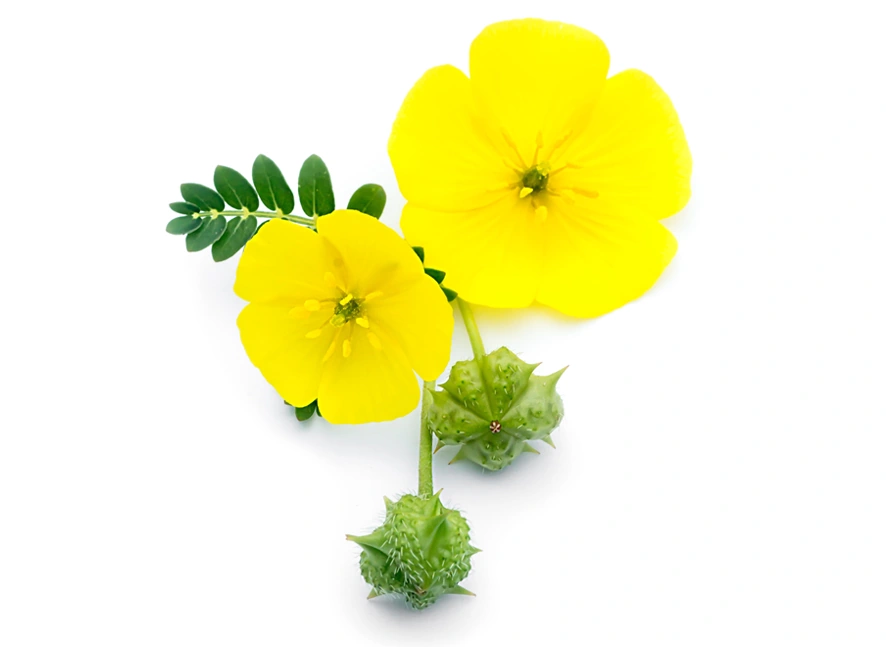
Tribulus terrestris is a low-growing flowering plant native to warm regions of Europe, Asia and Africa, recognisable by its yellow flowers and hard, spiny fruit that give it the nickname “puncture vine.” The parts used in supplements are chiefly the fruit and root, which contain a family of plant compounds called steroidal saponins — protodioscin being the most cited. Standardised extracts are measured by their saponin percentage, which is why two tribulus products can differ in strength. A randomised, double-blind, placebo-controlled trial in men with sexual dysfunction produced only modest results and no meaningful change in testosterone (Kamenov et al., Maturitas, 2017).
It is worth being precise about categories: tribulus is a botanical tonic, not a vitamin, a hormone or a drug. That distinction shapes everything below, because a tonic is traditionally taken over time to support a general sense of vigour, not for an overnight effect.
Why has tribulus been used as a tonic for centuries?
Tribulus earned its reputation as a vitality tonic long before modern laboratories existed, appearing in both Ayurvedic and traditional Chinese systems as a herb for energy, stamina and overall resilience. In Ayurveda the fruit, known as gokshura, was used as a rejuvenating tonic; in Chinese medicine the plant, bai ji li, appears in classical formulas. Across both traditions the common thread is “tribulus tonic” use — a botanical taken to support the body's baseline vigour rather than to target one narrow complaint. For the sports-supplement claims specifically, the NIH Office of Dietary Supplements fact sheet is the plainest available reference (NIH Office of Dietary Supplements).
This is the sense in which people still speak of tribulus vitality today. The word tonic matters: in herbal tradition a tonic is something you take steadily, over weeks, to nudge your general condition — very different from the stimulant-style, take-it-and-feel-it framing some modern marketing borrows. That history explains why tribulus so often appears blended with other tonic and adaptogenic plants rather than sold as a quick fix.
What does the science actually say about tribulus terrestris benefits?
The honest summary is that tribulus terrestris benefits are traditionally described but not firmly established by modern human trials. Most research is small, short, or done in animals, and results are inconsistent — which is why credible sources treat tribulus as a botanical of interest rather than a proven agent. The table below separates the popular claims from what the current evidence base can reasonably support.
| Popular claim | What the evidence shows | Honest verdict |
|---|---|---|
| General vitality & stamina tonic | Long traditional use; limited, mixed modern data | Traditional support, not proven |
| Exercise & athletic performance | Several small trials show little to no measurable effect | Weak / unsupported |
| Hormone “boosting” | Human studies largely fail to show meaningful change | Overstated by marketing |
| Antioxidant plant compounds | Saponins studied in the lab; human relevance unclear | Early / preliminary |
So are the marketing claims true?
Many of the strongest claims made for tribulus — especially the hormone and performance ones — run ahead of the evidence. That does not make the plant worthless; it means the fair framing is a traditional vitality tonic with a long history and a modest, still-developing scientific file.
Why is the research still limited?
Botanical research is hard to fund and standardise: extracts vary in saponin content, study groups are small, and “vitality” is difficult to measure objectively. Until larger trials exist, the responsible position is to respect the tradition, acknowledge the gaps, and avoid promising outcomes the data cannot back.
See the exact dose in Myco Max →
How does tribulus fit the vitality side of Myco Max?
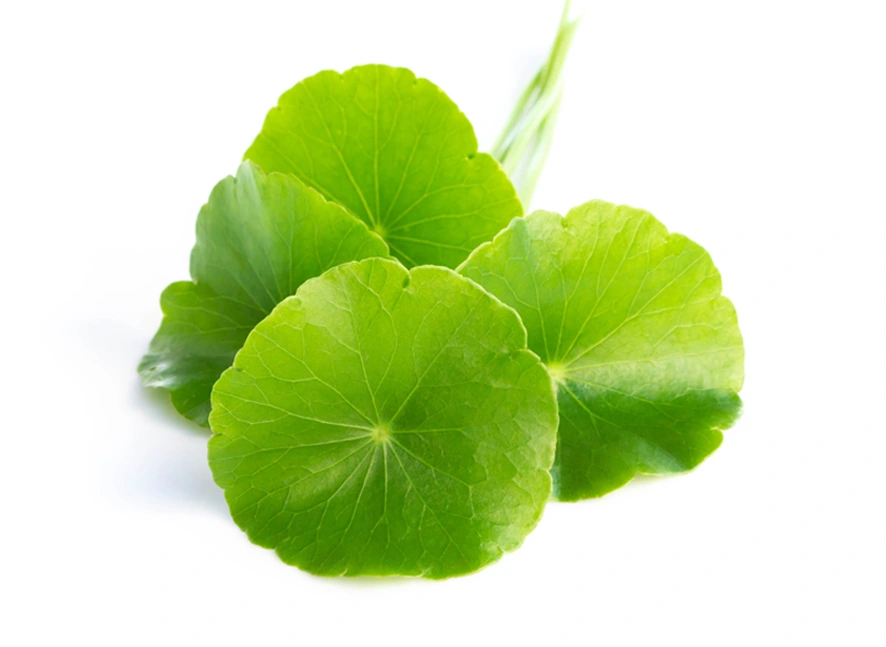
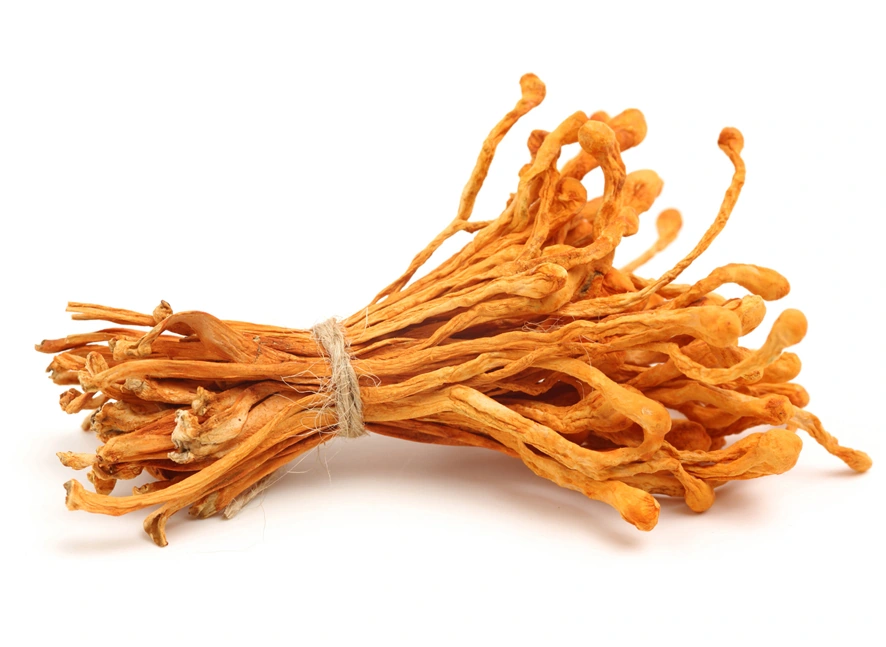
Inside Myco Max, tribulus is one supporting botanical on the vitality side of a broader functional-mushroom blend, not the headline ingredient. The formula leads with cognitive-focused mushrooms — lion's mane and cordyceps — and rounds them out with adaptogens and tonics such as rhodiola, gotu kola, sage and tribulus. The idea is a two-sided routine: mushrooms oriented toward clarity and focus, tonics oriented toward everyday vigour.
| Ingredient | Category | Role in the blend |
|---|---|---|
| Lion's mane | Functional mushroom | The best-studied mushroom for cognitive wellness; anchors the focus side. |
| Cordyceps | Functional mushroom | Traditionally linked with stamina and cellular energy. |
| Rhodiola rosea | Adaptogen | An arctic root used to support resilience against everyday fatigue. |
| Tribulus terrestris | Traditional tonic | Rounds out the vitality side with a classic stamina tonic. |
| Gotu kola & sage | Traditional botanicals | Long folk history connected to calm focus and memory. |
Because Myco Max is a blend, the amount of tribulus in each dropper is smaller than in a stand-alone tribulus tonic — it is there to complement the mushrooms, not to megadose a single herb. For the full picture, see the ingredients section or our companion guide to lion's mane and cordyceps for brain health.
Vitality and focus in one dropper
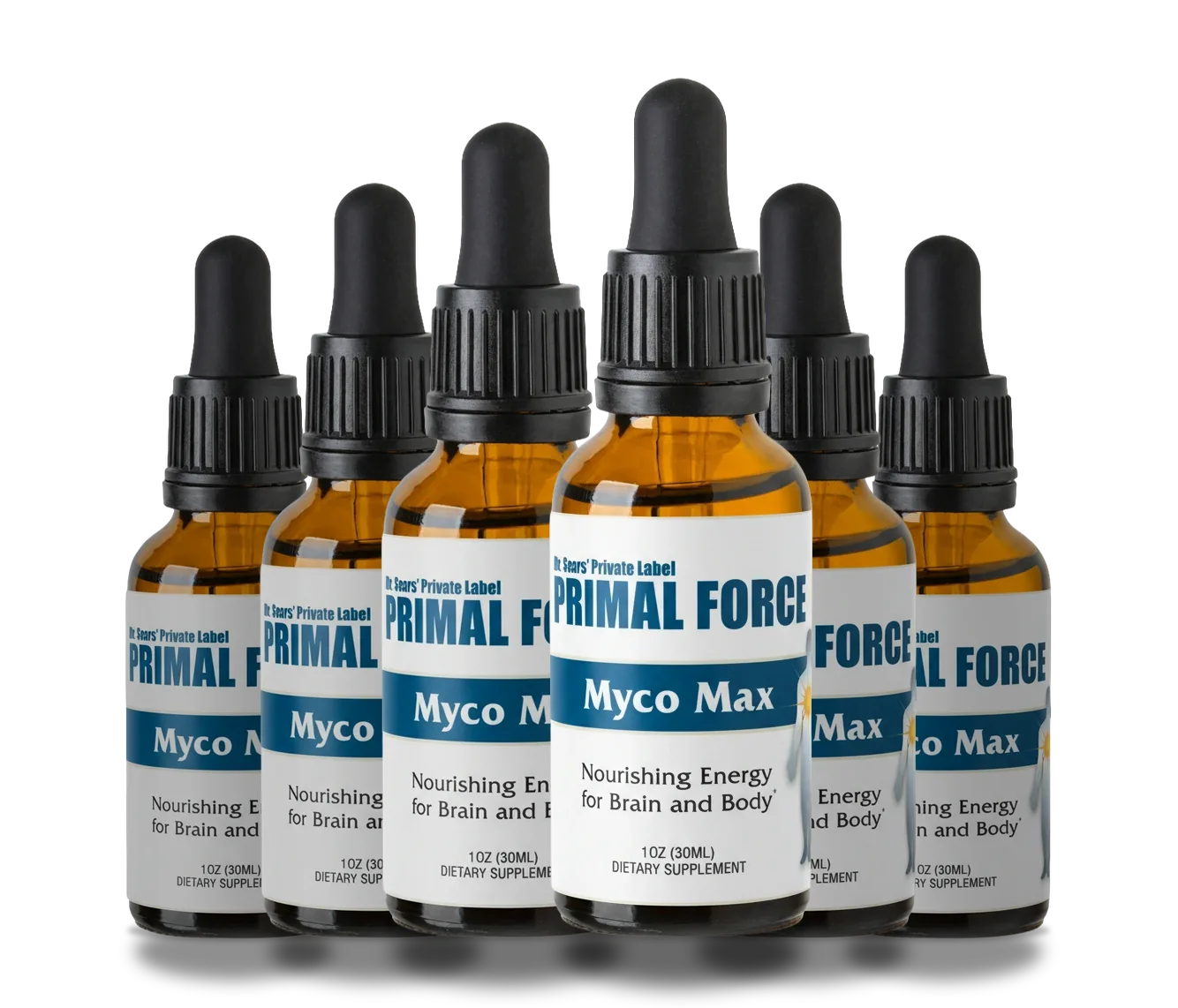
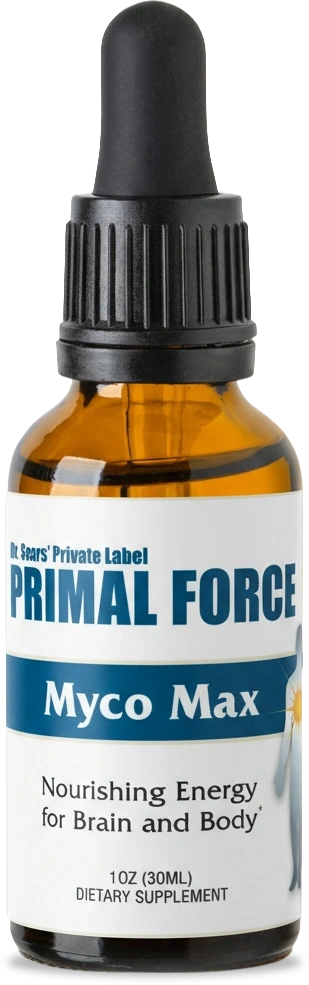
Myco Max is a once-daily liquid that pairs lion's mane and cordyceps with tonic botanicals including tribulus. The six-bottle bundle is the best value at $49 per bottle, with free U.S. shipping and a 90-day guarantee.
Check today's Myco Max pricing — from $49/bottleHow much tribulus terrestris is typical, and is it safe?
A typical tribulus study dose ranges widely, often between 250 mg and 1,500 mg of standardised extract per day, taken with food. In a blended formula, tribulus is dosed as one contributor among several, so the per-serving amount is deliberately lower than a solo tribulus product — another reason to read the label rather than assume a single-herb amount.
For most healthy adults, short-term tribulus use is generally well tolerated, with the most common report being mild stomach upset. That said, it is not recommended during pregnancy or breastfeeding, and there are cautions for people on certain medications. As with any botanical, “natural” does not mean “risk-free.”
Who might consider tribulus, and who should avoid it?
Tribulus tends to appeal to people drawn to traditional tonic botanicals who want a steady, long-game addition to a healthy routine. It is not a fit for everyone. The guide below is general information, not a personal recommendation.
- May consider it: healthy adults interested in traditional vitality tonics as part of a balanced lifestyle.
- Should be cautious: anyone taking prescription medication, managing a diagnosed condition, or scheduled for surgery.
- Should avoid it: people who are pregnant, breastfeeding, or under 18.
- Always: pair any tonic with the fundamentals — sleep, whole foods and movement — which do the heaviest lifting for real vitality.
How does tribulus compare to other vitality botanicals?
Tribulus is one of several plants with a tonic reputation, and it is often most useful as part of a blend rather than in isolation. Compared with an adaptogen like rhodiola, which has a stronger modern evidence base for fatigue resistance, tribulus leans more on tradition than on trials. That is exactly why a formula pairs them: together they cover more of the everyday-vitality picture than any single herb. To see how the mushrooms in the same blend are studied, our overview of nootropic mushrooms for focus and clarity is a good next read.
When should you talk to a doctor?
Botanical tonics support a healthy lifestyle; they are not a replacement for medical care. Speak with your doctor before starting tribulus — or any new supplement — if you are pregnant or nursing, under 18, take any medication, have a diagnosed condition, or are preparing for surgery.
Frequently asked questions
What is tribulus terrestris?
Tribulus terrestris is a small flowering plant used for centuries in Ayurvedic and traditional Chinese wellness as a general vitality tonic. Its fruit and root contain compounds called steroidal saponins, which are the part most studied today. It is a botanical support, not a medicine.
What are the main tribulus terrestris benefits people look for?
Traditionally, people have used tribulus as a tonic for energy, stamina and overall vitality. Modern research is still limited and mixed, so tribulus is best viewed as a long-standing wellness botanical rather than a proven treatment for any condition.
How much tribulus terrestris is a typical daily amount?
Studies have used a wide range, often between 250 mg and 1,500 mg of standardised extract per day. In a blended formula like Myco Max, tribulus is one supporting botanical among several, so the amount is smaller than a stand-alone tribulus product. Always follow the label.
Is tribulus terrestris safe to take?
For most healthy adults, short-term use of tribulus is generally well tolerated, with occasional mild stomach upset reported. It is not recommended during pregnancy or breastfeeding, and anyone on medication or with a health condition should ask a doctor before using it.
Why is tribulus in a mushroom formula like Myco Max?
Myco Max pairs functional mushrooms such as lion's mane and cordyceps with adaptogenic and tonic botanicals. Tribulus sits on the vitality side of that blend, adding a traditional stamina tonic alongside the cognitive-focused mushrooms rather than acting alone.
How long does tribulus take to work?
Tribulus is a slow-building tonic rather than a fast stimulant, so most traditional use spans several weeks of daily intake. Effects, where noticed, are subtle and individual, and results vary from person to person.
See how tribulus fits into Myco Max →
Myco Max is a dietary supplement, not a treatment for any medical condition. These statements have not been evaluated by the Food and Drug Administration. This product is not intended to diagnose, treat, cure or prevent any disease. Always consult a qualified healthcare professional about your individual needs.
References & further reading
- National Center for Complementary and Integrative Health (NCCIH). Herbs at a Glance. nccih.nih.gov/health/herbsataglance
- Examine.com. Tribulus terrestris. examine.com/supplements/tribulus-terrestris
- National Institutes of Health, Office of Dietary Supplements. Dietary Supplements for Exercise and Athletic Performance. ods.od.nih.gov/factsheets/ExerciseAndAthleticPerformance-Consumer
- Qureshi A, Naughton DP, Petroczi A. A systematic review on the herbal extract Tribulus terrestris and the roots of its putative aphrodisiac and performance enhancing effect. Journal of Dietary Supplements, 2014. PMID 24559105
- Kamenov Z, Fileva S, Kalinov K, et al. Evaluation of the efficacy and safety of Tribulus terrestris in male sexual dysfunction-A prospective, randomized, double-blind, placebo-controlled clinical trial. Maturitas, 2017. PMID 28364864
These references describe the ingredient and its traditional use in general terms and do not constitute evidence that any product treats, cures or prevents any condition.
Keep reading: lion's mane and cordyceps for brain health · nootropic mushrooms for focus and clarity · the full Myco Max review · back to the Myco Max blog.