How to choose a lion's mane supplement: the Myco Max buyer's guide

Updated August 2026 · reviewed by the Myco Max Research Team. We are an independent information resource, not a medical provider, and this article is educational rather than medical advice.
To choose a lion's mane supplement well, you compare five things on every label — the named mushroom species, whether it uses fruiting body or mycelium, the actual dose per serving, proof of purity testing, and a traceable maker — and you pick the one that is specific about all five. This is a shopping checklist, not medical advice, and no lion's mane product treats or cures any disease. If you are still comparing brands, our guide to what makes a good mushroom brain supplement lists the checks worth making before you pay. We weighed the human evidence for the whole category in do nootropic mushrooms work. Set the marketing beside the literature and the clinical base is one small double-blind trial in older adults with mild cognitive impairment (Mori et al., Phytotherapy Research, 2009).
The lion's mane buying checklist, in one place.
- Name the species
- A trustworthy label says Hericium erinaceus outright, not just “mushroom complex” or a picture on the bottle.
- Fruiting body first
- Prefer fruiting-body extract over grain-grown mycelium, which can carry more starchy filler for the same weight.
- A real, stated dose
- Look for an amount per serving in milligrams — not a hidden number folded into a proprietary blend.
- Proof and provenance
- Favour makers that test for purity and manufacture under Good Manufacturing Practice in a traceable facility.
- Where Myco Max fits
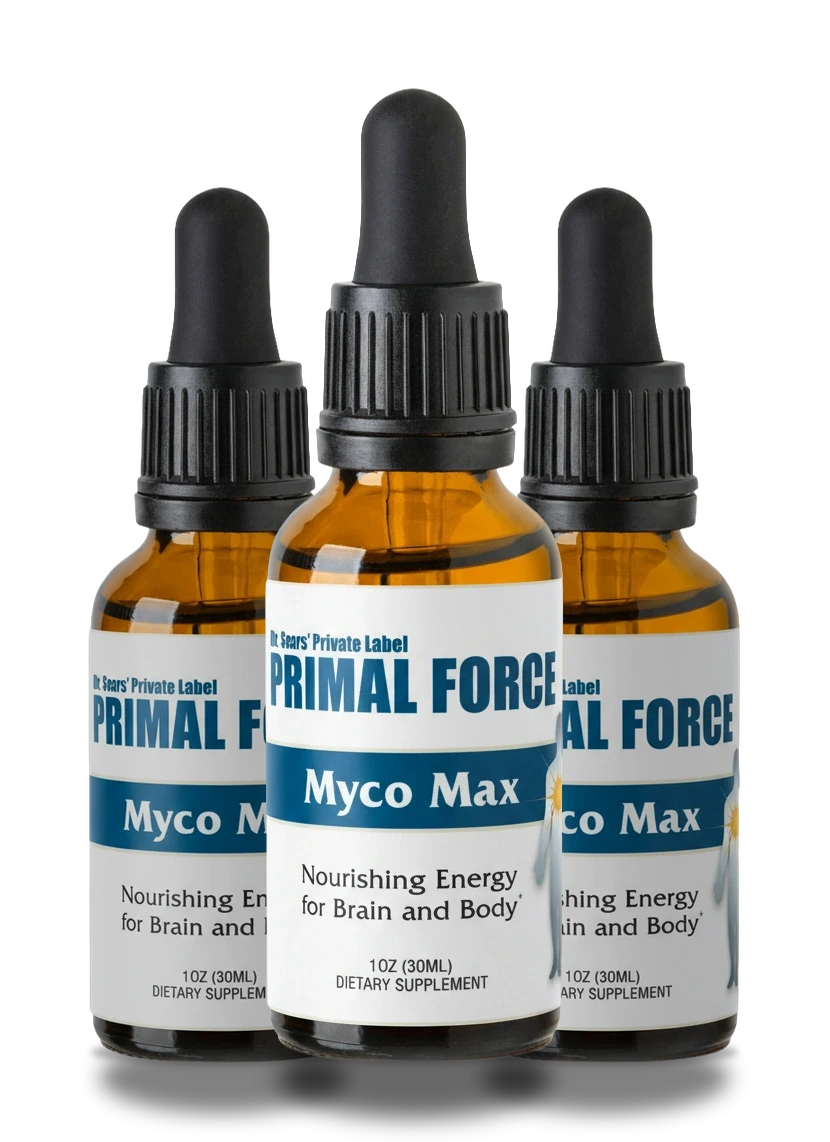
- A once-daily liquid dropper of lion's mane and cordyceps with adaptogens, made in the USA — a supplement for everyday support, not a treatment.
Lion's mane has jumped from specialist forums to supermarket shelves, and the range now runs from carefully made extracts to vague “mushroom” powders that could be mostly grain. Knowing what to look for turns a wall of bottles into a short checklist — the same one we used when building Myco Max. This guide walks each criterion, then shows how a real formula measures up.
What should you look for when choosing a lion's mane supplement?
Choosing a lion's mane supplement is the process of matching a product's label claims against five verifiable criteria: species, form, dose, purity and provenance. The best products are clear on all five; the weakest lean on lifestyle photography and words like “premium” while staying quiet on the details. Two rules cut through the noise: specificity signals quality, and a maker you can trace beats a claim you cannot. The NIH Office of Dietary Supplements guide to reading labels covers the checks that apply to any product, not just to mushrooms (NIH Office of Dietary Supplements).
Why does the extract type matter — fruiting body or mycelium?
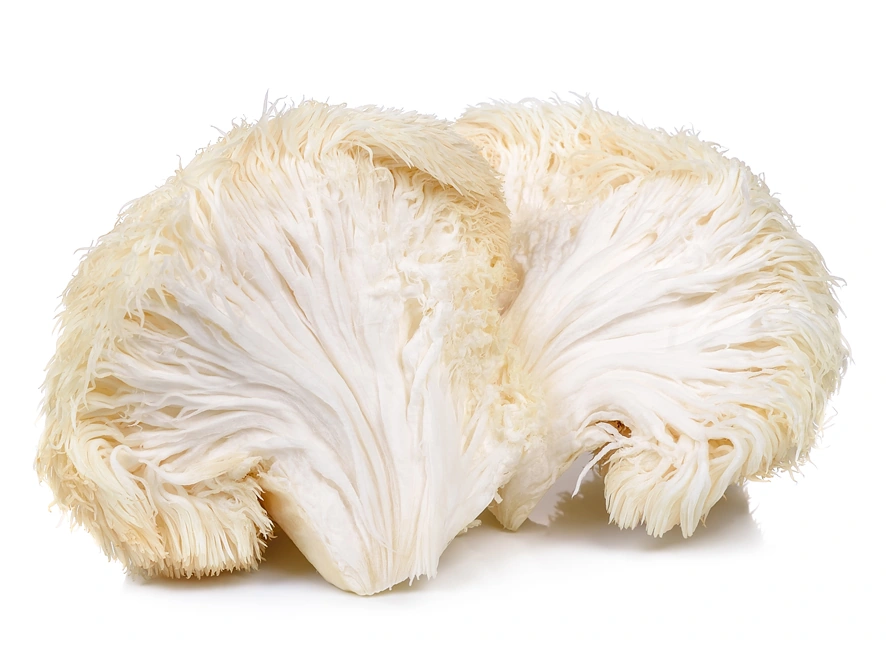
The extract type describes which part of the mushroom is in the bottle, and it is the biggest quality divide in the category. Fruiting body is the mushroom you would recognise on a plate; mycelium is the root-like network often grown on grain and harvested with that grain attached. Both appear on labels, but they are not interchangeable.
What is fruiting-body extract?
Fruiting-body extract is made from the mature mushroom itself and is generally the preferred form because it is richer in the compounds people associate with lion's mane. A label that specifies “fruiting body” is telling you the maker has thought about what ends up in the dropper.
What is mycelium-on-grain?
Mycelium grown on grain can be a lower-cost route, but because the grain substrate is hard to fully separate, some products carry more starch and less mushroom per stated milligram. It is not automatically bad — it is simply why a milligram number means little unless you also know the form behind it.
How do you read a lion's mane label?
Reading a label is the skill of translating packaging language into what you actually receive per serving. The panel, not the front of the bottle, holds the answers. Run each product past the checks below before you compare prices.
| What to check | Green flag | Red flag |
|---|---|---|
| Species named | Says Hericium erinaceus in plain text | Only “mushroom blend” or a bottle graphic |
| Part used | “Fruiting body” stated clearly | Form not mentioned anywhere |
| Dose per serving | A real number in mg you can see | Hidden inside a proprietary blend |
| Testing | Third-party or in-house purity testing | No mention of any testing |
| Manufacturer | Named facility, GMP, contactable | No address, no maker, no contact |
If you want to see how these checks map onto the ingredients themselves, our companion guide on lion's mane benefits in Myco Max breaks the mushroom down in more detail, and the homepage ingredients section lists everything in the formula.
What dose of lion's mane should you look for?
The right dose is the amount a product actually delivers per serving, stated openly, rather than a headline number that sounds impressive. Human studies of lion's mane have used a broad range — commonly from roughly 500 mg to 3,000 mg per day depending on the form — so there is no single magic figure. What separates a confident product from a vague one is that it tells you the number at all.
When you compare doses, keep three things in mind:
- Stated beats hidden — a visible milligram amount is more useful than a large “proprietary blend” total that never breaks down.
- Form changes meaning — 1,000 mg of fruiting-body extract is not the same as 1,000 mg of mycelium-on-grain.
- Consistency over size — a moderate daily dose you take every day beats a large one you take twice and forget.
Do liquid drops or capsules make a better lion's mane supplement?
Format is the delivery method, and neither drops nor capsules are inherently superior — the better one is the format you will keep using. Liquid drops are quick to take without water and easy to adjust; capsules are tidy, tasteless and travel well. Because botanicals build their support gradually, the format that fits your routine is the one that delivers value over a month. Our side-by-side on mushroom drops vs capsules covers the trade-offs in full.
See the exact dose in Myco Max
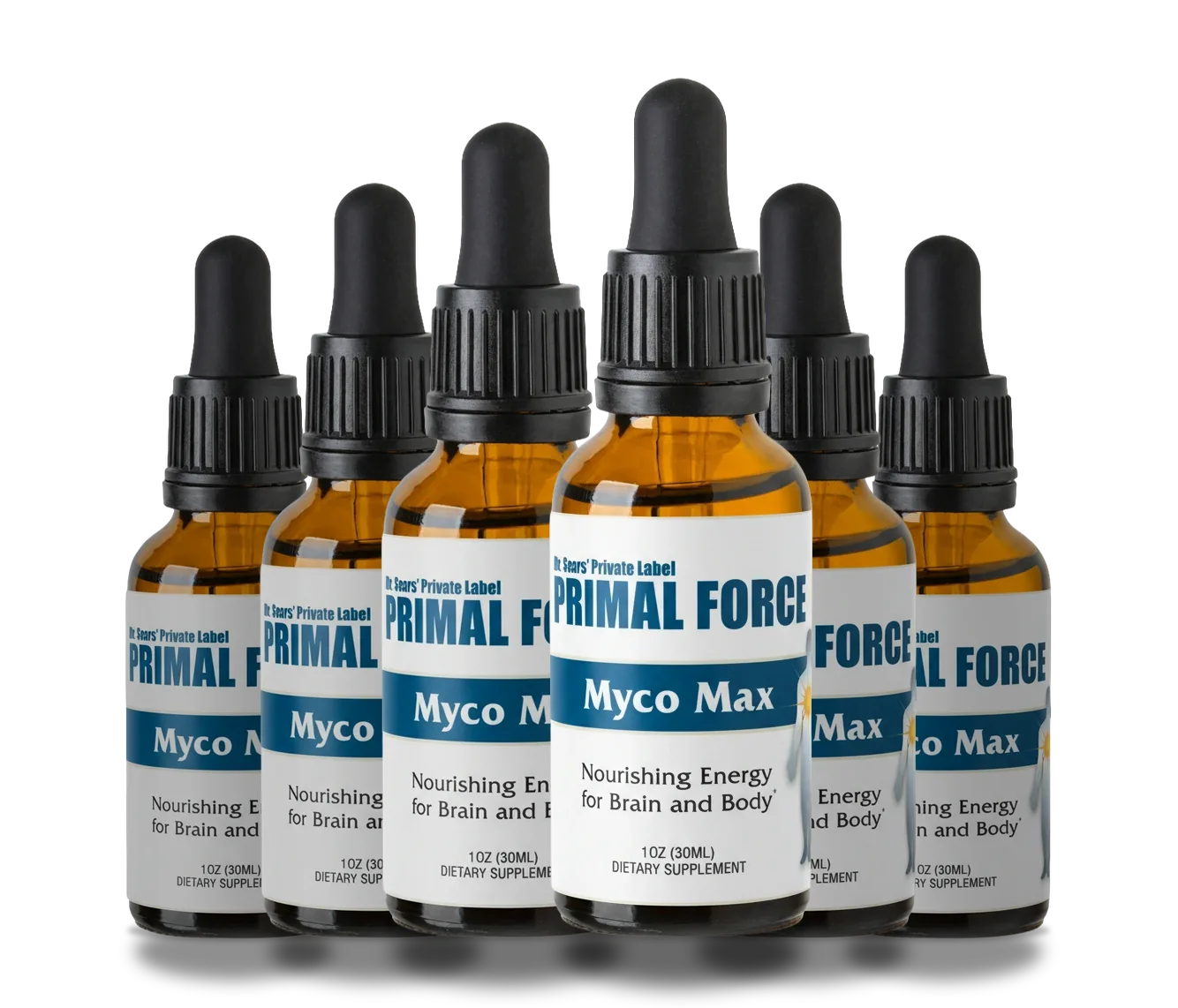
Myco Max is a once-daily liquid dropper pairing lion's mane and cordyceps with adaptogens, made in the USA. The six-bottle bundle is the best value at $49 per bottle, with free U.S. shipping and a 90-day guarantee.
Order Myco Max — from $49/bottleHow does Myco Max measure against the buying criteria?
Measuring a product against the checklist is where the guide turns practical — you stop reading about criteria and start scoring a real bottle. Myco Max is a once-daily liquid dropper pairing lion's mane and cordyceps with rhodiola, tribulus, sage and gotu kola. It is a dietary supplement for everyday brain and memory support, not a treatment, and the table below is a plain mapping, not a medical claim.
| Buying criterion | What to want | How Myco Max lines up |
|---|---|---|
| Species named | Lion's mane identified openly | Lion's mane listed by name in the formula |
| Companion actives | Sensible, disclosed pairing | Cordyceps plus rhodiola, tribulus, sage, gotu kola |
| Format | A format you will use daily | Once-daily liquid drops, no water needed |
| Manufacturing | GMP, traceable facility | Made in the USA under Good Manufacturing Practice |
| Buyer protection | A real return window | 90-day money-back guarantee |
No supplement is a shortcut past sleep, food and movement — those remain the foundation, as our guide on how to support memory and focus naturally lays out. Myco Max is the optional step on top of that routine.
What about third-party testing and manufacturing?
Testing and manufacturing are the trust layer of the decision — the difference between a claim you take on faith and one a process stands behind. Good Manufacturing Practice (GMP) is a set of standards for how a supplement is made, and a maker that manufactures in a GMP facility, states its location and offers a real guarantee gives you something to hold onto. Independent lab testing, where available, adds confidence about identity and purity. When a product mentions none of this, treat the silence as information.

How do you turn this into a five-minute buying decision?
A buying decision becomes simple once you run every candidate through the same short sequence and let the checklist, not the marketing, sort them:
- Find the species — if it does not say lion's mane or Hericium erinaceus, stop here.
- Check the form — prefer stated fruiting body over unlabelled mycelium.
- Read the dose — look for a visible milligram amount, not a blend total.
- Confirm the maker — GMP facility, an address, and a way to contact them.
- Weigh the guarantee — a real return window lets you judge fit without risk.
Run Myco Max through the same five steps and compare the packages and pricing yourself — most people choose a multi-month supply so a gradual routine is not interrupted.
When should you talk to a doctor?
A supplement supports a healthy lifestyle; it is not a replacement for medical care. Lion's mane is widely eaten as a food and is generally well tolerated, but speak with your doctor before starting if you are pregnant or nursing, under 18, take any medication, have a diagnosed condition, or notice persistent changes in memory, mood or concentration. On safety, a 28-day oral feeding study of an erinacine A-enriched Hericium erinaceus preparation in rats found no treatment-related toxicity at the doses tested (Li et al., Food and Chemical Toxicology, 2014).
Frequently asked questions
How do I choose a good lion's mane supplement?
Check five things: that it names the mushroom species (Hericium erinaceus), whether it uses fruiting body or mycelium, the labelled dose per serving, evidence of third-party or in-house purity testing, and a manufacturer you can trace. A product that is vague on any of these is harder to trust than one that is specific.
Is fruiting body or mycelium better in a lion's mane supplement?
Fruiting-body material is generally preferred because it is the mushroom itself and tends to be richer in the compounds people associate with lion's mane, whereas mycelium is often grown on grain and can carry more filler. Neither is a treatment for any condition, and a clear label matters more than marketing language.
What dose of lion's mane should I look for?
Human studies have used a wide range, commonly from roughly 500 mg to 3,000 mg of lion's mane per day depending on the form. The most useful sign on a label is that a real, stated amount is delivered per serving rather than hidden inside a proprietary blend.
Are liquid drops better than lion's mane capsules?
Liquid drops and capsules can both deliver lion's mane; drops are easy to take without water and simple to adjust, while capsules are tidy and travel well. The better choice is the format you will use consistently, since botanicals build their support gradually.
How does Myco Max fit these buying criteria?
Myco Max is a once-daily liquid dropper that pairs lion's mane and cordyceps with rhodiola, tribulus, sage and gotu kola, made in the USA in a facility that follows Good Manufacturing Practice. It is a dietary supplement for everyday brain and memory support, not a treatment for any disease.
Is lion's mane safe to take every day?
Lion's mane is widely eaten as a food and is generally well tolerated, but supplements are not a substitute for medical care. If you are pregnant or nursing, under 18, take medication or have a diagnosed condition, ask your doctor before starting any new supplement.
Check today's Myco Max pricing →
Myco Max is a dietary supplement, not a treatment for any medical condition. These statements have not been evaluated by the Food and Drug Administration. This product is not intended to diagnose, treat, cure or prevent any disease. Always consult a qualified healthcare professional about your individual needs.
References & further reading
- National Center for Complementary and Integrative Health (NCCIH). Using Dietary Supplements Wisely. nccih.nih.gov/health/using-dietary-supplements-wisely
- Examine.com. Lion's Mane (Hericium erinaceus). examine.com/supplements/lions-mane
- U.S. Food and Drug Administration. Current Good Manufacturing Practices (CGMPs) for Dietary Supplements. fda.gov — CGMPs for dietary supplements
- National Institutes of Health, Office of Dietary Supplements. Dietary Supplements: What You Need to Know. ods.od.nih.gov/factsheets/WYNTK-Consumer
- Mori K, Inatomi S, Ouchi K, et al. Improving effects of the mushroom Yamabushitake (Hericium erinaceus) on mild cognitive impairment: a double-blind placebo-controlled clinical trial. Phytotherapy Research, 2009. PMID 18844328
- Li IC, Chen YL, Lee LY, et al. Evaluation of the toxicological safety of erinacine A-enriched Hericium erinaceus in a 28-day oral feeding study in Sprague-Dawley rats. Food and Chemical Toxicology, 2014. PMID 24810469
These references describe the ingredients and standards in general terms and do not constitute evidence that any product treats, cures or prevents any condition.
Keep reading: lion's mane and cordyceps for brain health · nootropic mushrooms for focus and clarity · back to the Myco Max blog · homepage.