Gotu kola benefits in Myco Max: the brain tonic herb explained

Updated August 2026 · reviewed by the Myco Max Research Team. We are an independent information resource, not a medical provider, and this article is educational rather than medical advice.
Gotu kola benefits center on one old idea: that this small Ayurvedic herb, known botanically as centella asiatica, works as a calming brain tonic that helps the mind feel settled and clear. It is not a stimulant and not a cure — it is a traditional, supportive plant, and in Myco Max it plays the grounding role alongside energising functional mushrooms. The other supporting botanical in that group is the least-supported of the six, and we said so plainly in tribulus terrestris in Myco Max. A pharmacological review collects the traditional uses and the laboratory work behind the plant's cure-all reputation (Gohil et al., Indian Journal of Pharmaceutical Sciences, 2010).
What gotu kola is, and why it sits in the Myco Max blend.
- What it is
- Gotu kola (centella asiatica) is a leafy wetland herb used for centuries in Ayurvedic and East Asian tonics — not the caffeine kola nut.
- Traditional role
- A calming “brain tonic” taken to support a steady mood, clear thinking and healthy circulation.
- What research shows
- Early human studies on mood and cognition are promising but small; treat gotu kola as supportive, not a proven treatment.
- Why it’s in Myco Max
- It balances the stimulating mushrooms and adaptogens, so focus feels grounded, not jittery.
If you have scanned the Myco Max label and wondered why a mushroom formula also lists a creeping herb from the wetlands of Asia, this guide is for you. Gotu kola is a quiet name on the panel, but it carries one of the longest tonic traditions in the bottle.
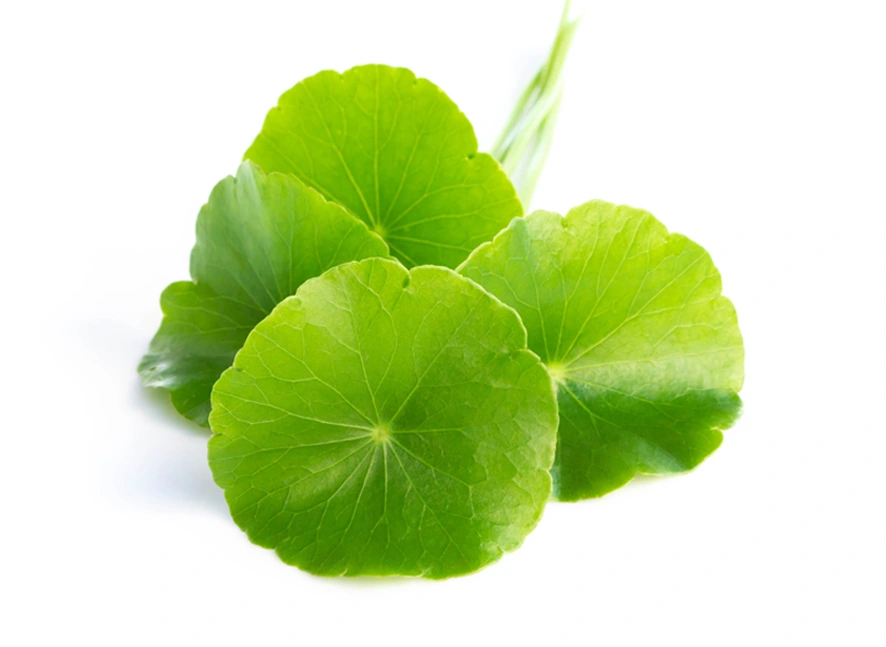
What is gotu kola, and where does it come from?
Gotu kola is the common name for centella asiatica, a low-growing, fan-leaved herb that thrives in the wetlands of Asia and ranks among the most revered plants in traditional wellness. In Ayurveda it is grouped among the medhya rasayana — the herbs said to nourish the intellect — and it has been eaten as a leafy vegetable and brewed as a daily tea across South and Southeast Asia for generations.
One point clears up most of the confusion: despite the name, gotu kola has nothing to do with the kola nut and contains no caffeine. Where the kola nut stimulates, gotu kola is traditionally used to do the opposite — to calm and ground — which is the whole reason it earns a place in a modern focus formula.
What are the main gotu kola benefits people talk about?
The most talked-about gotu kola benefits fall into three traditional buckets: a calmer mind, sharper day-to-day cognition, and healthy circulation and skin. Each has centuries of folk use behind it and a growing but still-early research base, so it helps to take them one at a time. The most-quoted human study gave Centella asiatica to healthy elderly volunteers and reported modest positive changes in cognition and mood (Wattanathorn et al., Journal of Ethnopharmacology, 2008).
Does gotu kola calm the mind?
The calming reputation is gotu kola's oldest and best-known claim, and it is why herbalists reach for it during scattered, stressful stretches. Traditional systems describe it as grounding and clarifying rather than sedating, so people use it to feel settled while staying alert. A handful of small human trials on gotu kola and mood have shown encouraging signals, but they are limited in size and design, so this stays a supportive tradition rather than a medical claim.
Can it support focus and memory?
Gotu kola's classification as an intellect-nourishing herb is the root of its modern reputation as a “brain tonic.” A few controlled studies in older adults and healthy volunteers have measured attention, working memory and mood after gotu kola extract, with positive but modest results. The honest summary: it is one of the more interesting botanicals for cognition, yet the human evidence is thin enough that it should complement good sleep and habits, never replace them.
What about circulation and skin?
Outside the brain, gotu kola is best documented for supporting connective tissue and healthy circulation, thanks to compounds called triterpenes. It has been studied for the comfort of tired, heavy legs and for the appearance of skin — which is why centella asiatica also turns up in skincare. These uses sit apart from the brain-tonic story but hint at the same theme: a plant traditionally linked to healthy blood flow and tissue.
| Traditional gotu kola benefit | What people use it for | State of the evidence |
|---|---|---|
| Calm & mood | Feeling settled and grounded under everyday stress | Small human trials; promising but early |
| Focus & memory | Steadier attention and recall as a “brain tonic” | A few modest controlled studies; not conclusive |
| Circulation | Comfort of tired legs and healthy blood flow | Best-documented traditional use; still limited |
| Skin & tissue | Appearance and resilience of skin | Topical research more developed than oral |
The pattern is consistent: real tradition, genuine researcher interest, and human evidence still too small for firm promises. That is why Myco Max treats gotu kola as one supportive voice in a chorus, not a headline cure.
Why is gotu kola called a brain tonic herb?
Gotu kola earns the “brain tonic” label because, unlike a stimulant that pushes energy up and then lets it crash, a tonic is taken regularly in modest amounts to nudge a system gently back toward balance. Gotu kola fits that description almost perfectly: it is mild, it is cumulative, and its traditional job is to make the mind feel clearer and steadier day after day.
This is also why gotu kola pairs so naturally with functional mushrooms. Where lion's mane and cordyceps bring cognitive-wellness and cellular-energy traditions, gotu kola brings the calm — the same “steady, not wired” balance our guide to nootropic mushrooms for focus and clarity returns to.

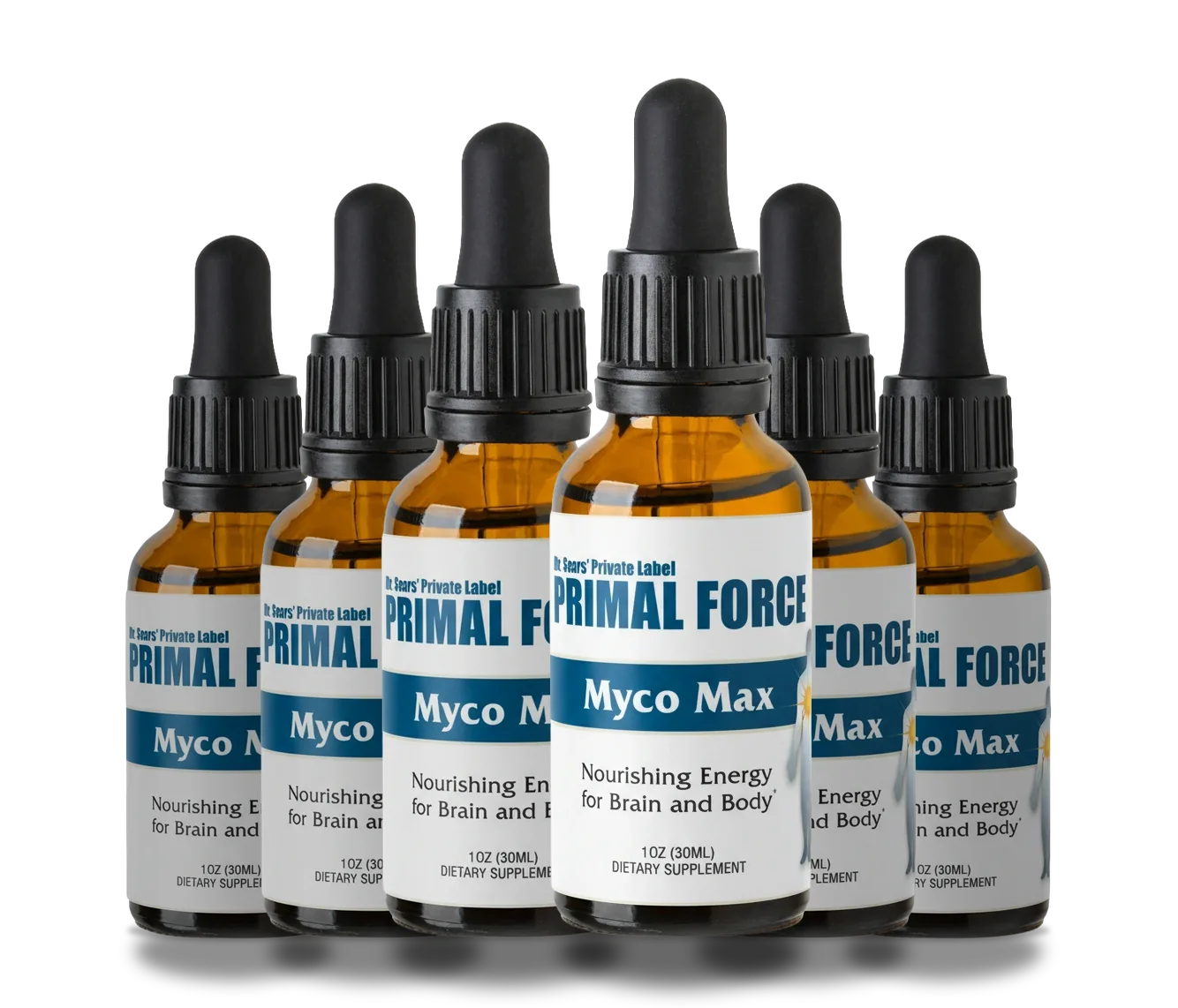
See the exact dose in Myco Max
Myco Max folds gotu kola into a once-daily dropper with lion's mane, cordyceps and rhodiola — the calming herb and the energising mushrooms in one measured blend. The six-bottle bundle is the best value at $49 per bottle with free U.S. shipping and a 90-day guarantee.
See the exact dose in Myco Max — from $49/bottleWhat does the research actually show about centella asiatica?
The current research on centella asiatica is best described as early, small and cautiously encouraging rather than settled. Most human trials involve modest numbers of participants over short windows, often using standardised extracts at doses you would not get from a pinch of dried herb. That does not make the tradition wrong; it means the science is still catching up to centuries of use.
Reviewers who gather the human and laboratory studies reach a similar verdict: gotu kola shows biological activity worth studying — on mood, cognition and circulation — but the trials are too few and too varied to support disease claims. Independent analysts like Examine.com stress this gap between promise and proof, which is the responsible frame to keep in mind.
The practical takeaway is simple. Gotu kola is a reasonable, well-tolerated botanical for its traditional calming and clarifying role, but choose it as part of a broader routine — sleep, movement, whole food — never as a stand-in for medical care. That is precisely how it is positioned inside Myco Max.
How does gotu kola fit into the Myco Max blend?
Inside Myco Max, gotu kola is the calming counterweight in a formula otherwise built around energising and adaptogenic ingredients. The blend leads with functional mushrooms and layers in botanicals that each play a distinct traditional role, so that the finished dropper aims at balanced, grounded focus rather than a one-note lift. Seeing the cast together makes gotu kola's job obvious.
| Ingredient in Myco Max | Type | Traditional role in the blend |
|---|---|---|
| Lion's mane | Functional mushroom | Most-studied mushroom for cognitive wellness |
| Cordyceps | Functional mushroom | Long linked with stamina and cellular energy |
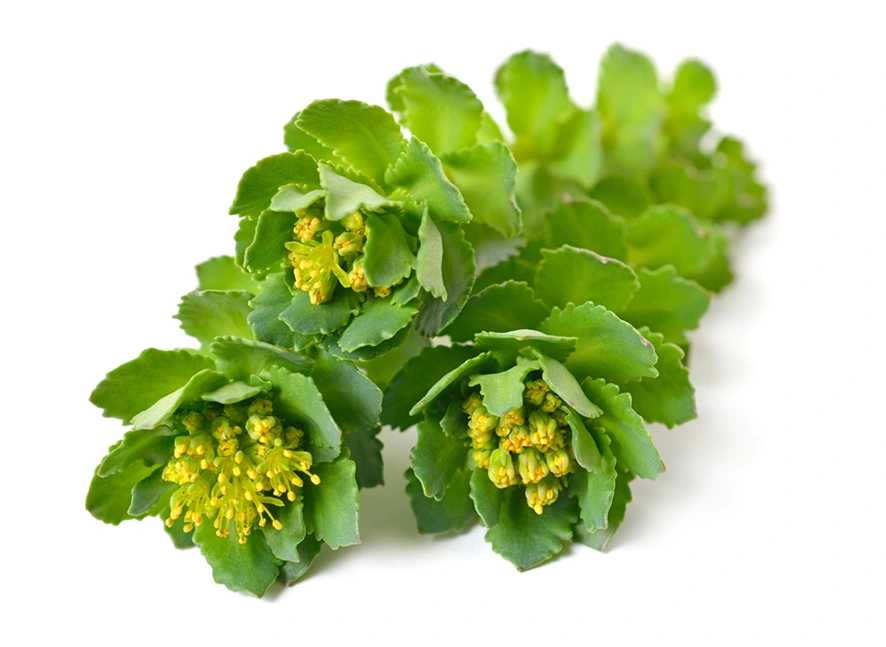
| Rhodiola rosea | Adaptogen | Supports resilience against everyday fatigue |
| Gotu kola | Calming tonic herb | Grounds and calms; the “steady” in steady focus |
| Sage | Culinary herb | Folk history tied to memory |
Delivered as fast liquid drops rather than a capsule, the formula lets these ingredients work as a team. Gotu kola does not carry the result on its own — it supplies the calming note that keeps the mushrooms and adaptogens from tipping into “wired.” See how the parts add up in the full ingredients section.
How much gotu kola should you take, and is it safe?
A typical gotu kola dose in tradition and research lands between a few hundred milligrams and about one gram of dried herb or standardised extract per day. Because Myco Max delivers gotu kola as one measured part of a daily blend, you are not left to weigh out a herb yourself — you take a single dropper that carries it alongside the mushrooms and adaptogens, at the same time each day.
On safety, gotu kola has a long culinary and tonic history and is generally well tolerated at customary amounts. Some sources suggest cycling it — using it for a period, then pausing — and note caution for liver concerns or during pregnancy and nursing. None of that is a red flag for a healthy adult at a normal dose, but it is a good reason to read the label and check with a professional if anything applies to you. The NCCIH herb database is a sober place to check any botanical before you add it to a routine (NIH NCCIH).
Who should be cautious or talk to a doctor first?
Gotu kola supports a healthy routine; it is not a treatment, and it is not right for everyone without guidance. Speak with your doctor before starting Myco Max or any gotu kola product if you are pregnant or nursing, under 18, taking any medication (especially sedatives or anything affecting the liver), have a diagnosed condition, or have surgery scheduled. If you notice any unexpected reaction, stop and seek advice.
Frequently asked questions
What are the main gotu kola benefits?
Gotu kola (centella asiatica) is traditionally valued as a calming brain tonic that people use to support a settled mood, steadier focus and healthy circulation. Modern research is early and mixed, so it is best seen as a supportive herb rather than a treatment for any condition.
Is gotu kola the same as centella asiatica?
Yes. Gotu kola is the common name for centella asiatica, a small creeping herb native to the wetlands of Asia. It is unrelated to the caffeine-containing kola nut, so it is not a stimulant despite the similar name.
Does gotu kola make you calm or does it give energy?
Gotu kola is traditionally used as a calming tonic rather than a stimulant, which is why herbalists describe it as grounding. In a blend it is meant to balance more energising ingredients, helping focus feel steady rather than jittery.
How much gotu kola is a typical dose?
Traditional and study doses of gotu kola commonly fall in the range of a few hundred milligrams to about a gram of dried herb or extract per day. Myco Max includes it as one measured part of a daily botanical blend, so you take it alongside the other ingredients rather than on its own.
Is gotu kola safe to take every day?
Gotu kola has a long history of everyday culinary and tonic use and is generally well tolerated at typical amounts. Some sources suggest cycling it and avoiding it in pregnancy or with liver concerns, so anyone on medication or with a health condition should ask a doctor first.
Why is gotu kola in Myco Max instead of just mushrooms?
Myco Max pairs functional mushrooms such as lion's mane and cordyceps with adaptogenic and tonic herbs like gotu kola and rhodiola. Gotu kola adds the traditional calming, grounding side of the blend, so the formula supports a clear head without leaning only on stimulating ingredients.
Check today’s Myco Max pricing →
Myco Max is a dietary supplement, not a treatment for any medical condition. These statements have not been evaluated by the Food and Drug Administration. This product is not intended to diagnose, treat, cure or prevent any disease. Always consult a qualified healthcare professional about your individual needs.

References & further reading
- National Center for Complementary and Integrative Health (NCCIH). Herbs at a Glance & complementary health approaches. nccih.nih.gov/health/herbsataglance
- Examine.com. Gotu Kola (Centella asiatica). examine.com/supplements/centella-asiatica
- National Library of Medicine, PMC. Centella asiatica: pharmacology and traditional use (review). ncbi.nlm.nih.gov/pmc/articles/PMC3116297
- National Institutes of Health, Office of Dietary Supplements. Dietary Supplements — Background for Consumers. ods.od.nih.gov/factsheets/DietarySupplements-Consumer
- Wattanathorn J, Mator L, Muchimapura S, et al. Positive modulation of cognition and mood in the healthy elderly volunteer following the administration of Centella asiatica. Journal of Ethnopharmacology, 2008. PMID 18191355
These references describe the ingredient and its traditional uses in general terms and do not constitute evidence that any product treats, cures or prevents any condition.
Keep reading: lion's mane and cordyceps for brain health · nootropic mushrooms for focus and clarity · how to support memory and focus naturally · read the full Myco Max review.