How to clear brain fog naturally with Myco Max: your foggy-afternoon fix

Updated August 2026 · reviewed by the Myco Max Research Team. We are an independent information resource, not a medical provider, and this article is educational rather than medical advice.
To clear brain fog naturally, you fix the everyday triggers behind it — short sleep, a sugar-heavy lunch, mild dehydration and hours of sitting — rather than chase a single cure. Do the basics well and a foggy head usually lifts within a day or two, while functional-mushroom and adaptogen drops such as Myco Max can support the routine you build. It works alongside, not instead of, your doctor. For the workday version of this, see how to boost focus at work naturally. Controlled testing shows that even mild dehydration shifts mood and some cognitive measures (Masento et al., British Journal of Nutrition, 2014).
How to clear brain fog naturally, in one place.
- The fastest fix
- Drink a full glass of water, take a 10-minute daylight walk, and eat protein instead of refined carbs — all three lift a foggy afternoon the same day.
- The biggest lever
- Sleep. Seven to nine consistent hours does more for a clear head than any supplement, food or drink on its own.
- The afternoon trap
- A carb-heavy lunch spikes then drops blood sugar; a lighter, protein-forward meal keeps focus steadier past 3 p.m.
- Where mushrooms fit
- Lion's mane, cordyceps and adaptogens in Myco Max can support the routine, but they are not a treatment for any disease.
- Timeframe
- Water, a walk and better sleep help within a day; diet and habit changes build over several weeks, and results vary.
Brain fog is the everyday feeling of a mind moving through mud — slow recall, scattered attention, and words that will not quite arrive. If you have ever re-read the same email three times at 3 p.m., you know it. The causes are mostly ordinary and mostly fixable, and a functional-mushroom formula like Myco Max can play a supporting role in the routine you build.

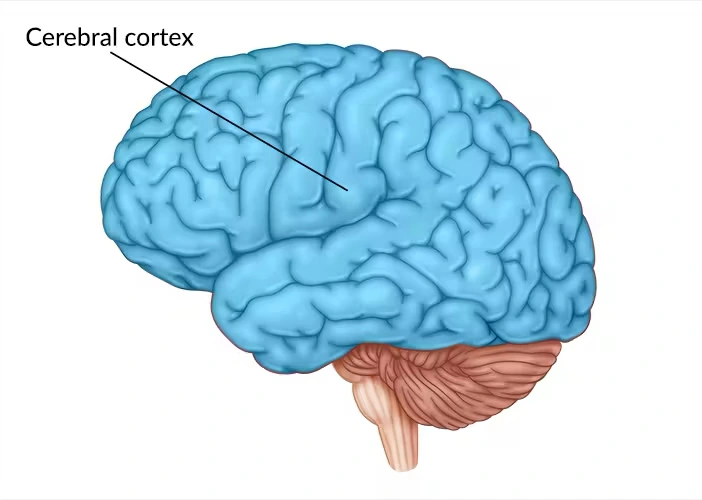
What is brain fog, and why does it show up?
Brain fog is a temporary dip in mental clarity — slower thinking, weaker focus and fuzzy recall — that follows when the brain is under-rested, under-fuelled or under-hydrated. It is a symptom, not a disease, and it usually points at something you can adjust: last night's sleep, this morning's caffeine, a skipped glass of water, or a long stretch in a chair. Change those inputs and the fog often clears fast. Caffeine is not the fix it appears to be either: one controlled study found it largely reverses withdrawal rather than raising performance above baseline (Rogers et al., Psychopharmacology, 2013).
Why do foggy afternoons hit so hard?
The classic foggy afternoon is a stack of small triggers landing at once, a few hours after lunch. A carbohydrate-heavy meal spikes blood sugar then drops it, mild dehydration creeps in, the morning's caffeine wears off into a crash, and hours of sitting slow blood flow to the brain. Each is minor alone; together they build the 3 p.m. wall.
How do you clear brain fog naturally, step by step?
Clearing brain fog naturally means addressing its common triggers in order of impact — sleep and hydration first, then food, movement and stress. None is exotic.
1. Protect your sleep before anything else
Deep sleep is when the brain consolidates the day's memories and clears metabolic by-products, so short or broken sleep is the most common single cause of next-day fog. Aim for seven to nine hours on a consistent schedule, and treat a regular wake-up time as non-negotiable. One better night often lifts a foggy morning.
2. Drink water before you reach for coffee
Even mild dehydration measurably dents concentration and reaction time, and it is one of the easiest fog triggers to miss. Start the day with a glass of water, keep a bottle within reach, and drink before — not only after — caffeine. A useful afternoon rule: water first, then decide whether you need another coffee.
3. Rethink lunch to dodge the 3 p.m. crash
A protein-forward lunch keeps blood sugar steadier than a refined-carb one, which is why the meal you eat at noon shapes how clearly you think at three. Build lunch around protein, healthy fats and vegetables, and keep the heavy pasta, white bread and sugary drinks for another time.
4. Break up sitting with a daylight walk
Movement increases blood flow to the brain and supports the growth factors that keep nerve cells healthy, and daylight helps regulate that night's sleep. You do not need a gym: a brisk 10-minute walk after lunch doubles as a fog-buster and a stress reset. Regular movement is one of the few habits with a plausible biological route, through its effect on brain-derived neurotrophic factor (Huang et al., Scandinavian Journal of Medicine and Science in Sports, 2014).
See the exact dose in Myco Max →
5. Take real breaks and single-task
Chronic stress floods the brain with cortisol, which over time works against clear thinking, and constant task-switching mimics fog by fragmenting attention. Short decompression — slow breathing, a few minutes outdoors, a genuine screen break — keeps attention fresher than pushing through, and single-tasking in focused blocks is a skill worth practising.
6. Be strategic with caffeine
Caffeine can cut through fog in the moment, but late or heavy doses fragment the sleep that fog depends on, so it borrows clarity from tomorrow. Keep it moderate and earlier in the day, pair each cup with water, and do not use it to paper over a run of short nights. Some people pair coffee with functional mushrooms for a steadier feel.
What are the most common brain fog triggers and fixes?
A trigger is anything that pulls the brain away from rested, fuelled and hydrated; a fix is the small habit that nudges it back. This table pairs the usual culprits with the change that helps most.
| Common trigger | What it does | Natural fix |
|---|---|---|
| Short or broken sleep | Blocks memory consolidation and next-day focus | Seven to nine hours on a consistent schedule |
| Mild dehydration | Slows concentration and reaction time | Water first, before and alongside caffeine |
| Refined-carb lunch | Spikes then drops blood sugar into an afternoon crash | Protein, healthy fats and vegetables at noon |
| Long sedentary stretches | Reduce blood flow to the brain | A daylight walk and hourly standing breaks |
| Chronic stress | Raises cortisol, working against clear thinking | Slow breathing, real breaks, single-tasking |
| Late or heavy caffeine | Fragments sleep and brings a crash | Moderate, earlier, paired with water |
Where do mushroom-and-adaptogen drops fit in?
Supplements support the habits above; they are not a substitute and never a treatment for any condition. Still, a few functional mushrooms and adaptogens have long been part of the brain-wellness conversation, and several appear in Myco Max as fast liquid drops rather than a pill.

| Ingredient | Category | Traditional / general role |
|---|---|---|
| Lion's mane | Functional mushroom | One of the most studied mushrooms for cognitive wellness; long used as a food and tonic in East Asia. |
| Cordyceps | Functional mushroom | Traditionally associated with stamina and cellular energy in Chinese and Tibetan wellness. |
| Rhodiola rosea | Adaptogen | An arctic root used to support resilience against everyday fatigue and mental stress. |
| Gotu kola | Traditional tonic | An Ayurvedic staple used for generations as a calming tonic for the mind. |
| Sage | Culinary herb | Common garden sage, with a long folk history connected to memory. |
Myco Max brings several together: lion's mane and cordyceps alongside rhodiola, tribulus, sage and gotu kola, as a once-daily dropper. The evidence for any single botanical against fog is still building, so treat them as a support layer on top of sleep, water and food — not a shortcut. For more, read our guide to lion's mane and cordyceps for brain health, or the full ingredients section.
Build the routine, then add the drops
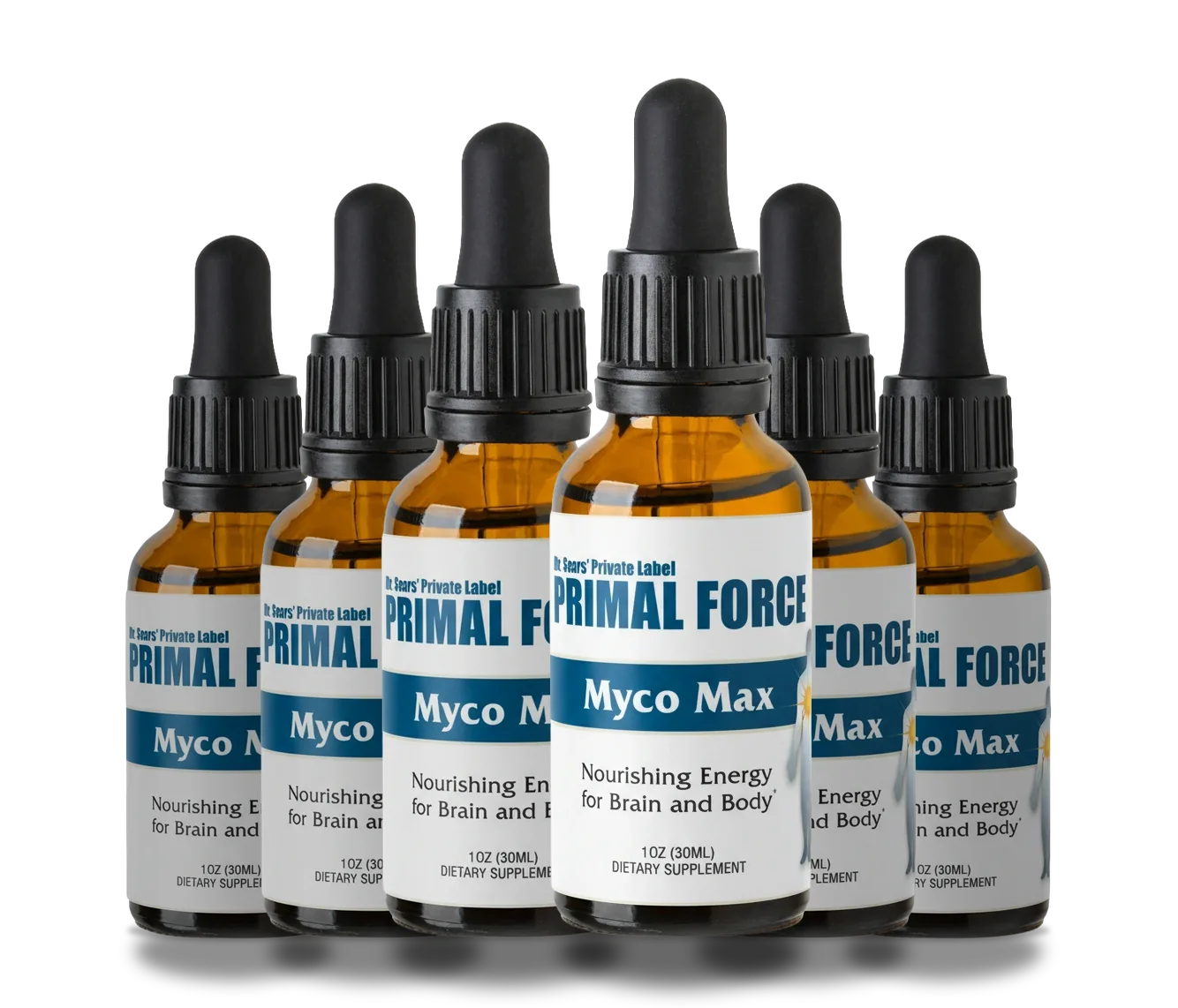
Myco Max is a once-daily dropper pairing lion's mane and cordyceps with adaptogens — the supplement step in a natural anti-fog routine. The six-bottle bundle is best value at $49 per bottle, with free U.S. shipping and a 90-day guarantee.
Check today's Myco Max pricing — from $49/bottleHow do you build a simple anti-fog day?
The best routine is the one you will keep, so stack one small habit at a time rather than overhaul everything at once. A clear-headed anti-fog day usually starts with a consistent wake time and early daylight, a glass of water before coffee, and a protein-forward breakfast and lunch to sidestep the mid-afternoon crash. Add a 10-minute walk after lunch, and take Myco Max at the same time daily — one dropper full, shaken and swallowed.
Consistency turns these into a steadier month with fewer foggy afternoons. Botanicals build gradually, so most people choose a multi-month supply — compare the packages and pricing on the homepage.

When should persistent brain fog see a doctor?
Natural habits support a clearer mind, but they are not a replacement for medical care, and lasting fog deserves a professional look. Speak with your doctor if brain fog is persistent, worsening or new, or if you are pregnant or nursing, under 18, take any medication, or have a diagnosed condition. Sudden or severe changes in memory or concentration should be checked promptly.
Frequently asked questions
How do you clear brain fog naturally?
Fix its usual triggers: protect seven to nine hours of sleep, drink water before coffee, eat protein instead of a sugar spike, and take a short daylight walk. Drops such as Myco Max can support that routine, but they are not a treatment for any disease.
What causes brain fog in the afternoon?
Usually a poor night's sleep, a carb-heavy lunch that spikes then drops blood sugar, mild dehydration, and hours of sitting, with stress and an early caffeine crash on top. Most are things you can nudge back the same day.
Do mushroom and adaptogen drops like Myco Max help with brain fog?
Functional mushrooms like lion's mane and cordyceps, plus adaptogens like rhodiola, are part of the brain-wellness conversation, and Myco Max combines them as liquid drops. They support sleep, food, hydration and movement, not a treatment, so medication users should ask a doctor first.
How fast can you clear brain fog?
Water, a walk and a better night's sleep can lift a foggy head the same day or the next. Deeper clarity from steady diet, fitness and stress habits builds over several weeks, and botanicals build gradually. Individual results vary.
What foods and drinks reduce brain fog?
Water first, then whole foods that keep blood sugar steady: protein, healthy fats, leafy greens, berries, nuts and whole grains, plus oily fish for omega-3s. Skipping the heavy, refined-carb lunch is often the biggest afternoon win.
Is caffeine good or bad for brain fog?
Short-term it can help, but late or heavy doses fragment the sleep that fog depends on, and the crash brings fog back. Keep it moderate and earlier in the day, pair every cup with water, and lean on sleep and movement.
Try Myco Max risk-free for 90 days →
Myco Max is a dietary supplement, not a treatment for any medical condition. These statements have not been evaluated by the Food and Drug Administration. This product is not intended to diagnose, treat, cure or prevent any disease. Always consult a qualified healthcare professional about your individual needs.
References & further reading
- National Institutes of Health, Office of Dietary Supplements. Omega-3 Fatty Acids — Fact Sheet for Consumers. ods.od.nih.gov/factsheets/Omega3FattyAcids-Consumer
- National Center for Complementary and Integrative Health (NCCIH). Rhodiola. nccih.nih.gov/health/rhodiola
- Mayo Clinic. Caffeine: How much is too much? mayoclinic.org/caffeine
- Examine.com. Lion's Mane (Hericium erinaceus). examine.com/supplements/lions-mane
- Masento NA, Golightly M, Field DT, et al. Effects of hydration status on cognitive performance and mood. British Journal of Nutrition, 2014. PMID 24480458
- Rogers PJ, Heatherley SV, Mullings EL, et al. Faster but not smarter: effects of caffeine and caffeine withdrawal on alertness and performance. Psychopharmacology, 2013. PMID 23108937
- Huang T, Larsen KT, Ried-Larsen M, et al. The effects of physical activity and exercise on brain-derived neurotrophic factor in healthy humans: A review. Scandinavian Journal of Medicine and Science in Sports, 2014. PMID 23600729
These references describe the ingredients and habits in general terms and are not evidence that any product treats, cures or prevents any condition.
Keep reading: how to support memory and focus naturally · nootropic mushrooms for focus and clarity · back to the Myco Max blog · read the full Myco Max review.